
A work with the history of Salihorsk has been shortlisted for a major Berlin art award — «People of Salt» by Uladzimir Hramovich at the Neuköllner Kunstpreis
Твор з гісторыяй Салігорска трапіў у шорт-ліст буйной берлінскай арт-прэміі — «Людзі солі» Уладзіміра Грамовіча на Neuköllner Kunstpreis
Навіна | 21.02.2026
Uladzimir Hramovich is among eight nominees for a significant Berlin art prize. The Belarusian was shortlisted for the Neuköllner Kunstpreis-2026 with an installation about the history of Salihorsk made of metal, braids, water and potassium. We tell you what the work is and where it can be seen now.
Uladzimir Hramovich is among eight nominees for a significant Berlin art prize. The Belarusian was shortlisted for the Neuköllner Kunstpreis-2026 with an installation about the history of Salihorsk made of metal, braids, water and potassium. We tell you what the work is and where it can be seen now.
ПАДЗЯЛІЦЦА:
The Neuköllner Kunstpreis is now in its tenth year. Due to the large number of workshops and art spaces in the Neukölln district of Berlin, the German Ministry of Culture recognizes the importance of this location for the contemporary art scene. All artists who live or have a studio in the area are eligible to apply for the award.
The Neuköllner Kunstpreis is now in its tenth year. Due to the large number of workshops and art spaces in the Neukölln district of Berlin, the German Ministry of Culture recognizes the importance of this location for the contemporary art scene. All artists who live or have a studio in the area are eligible to apply for the award.
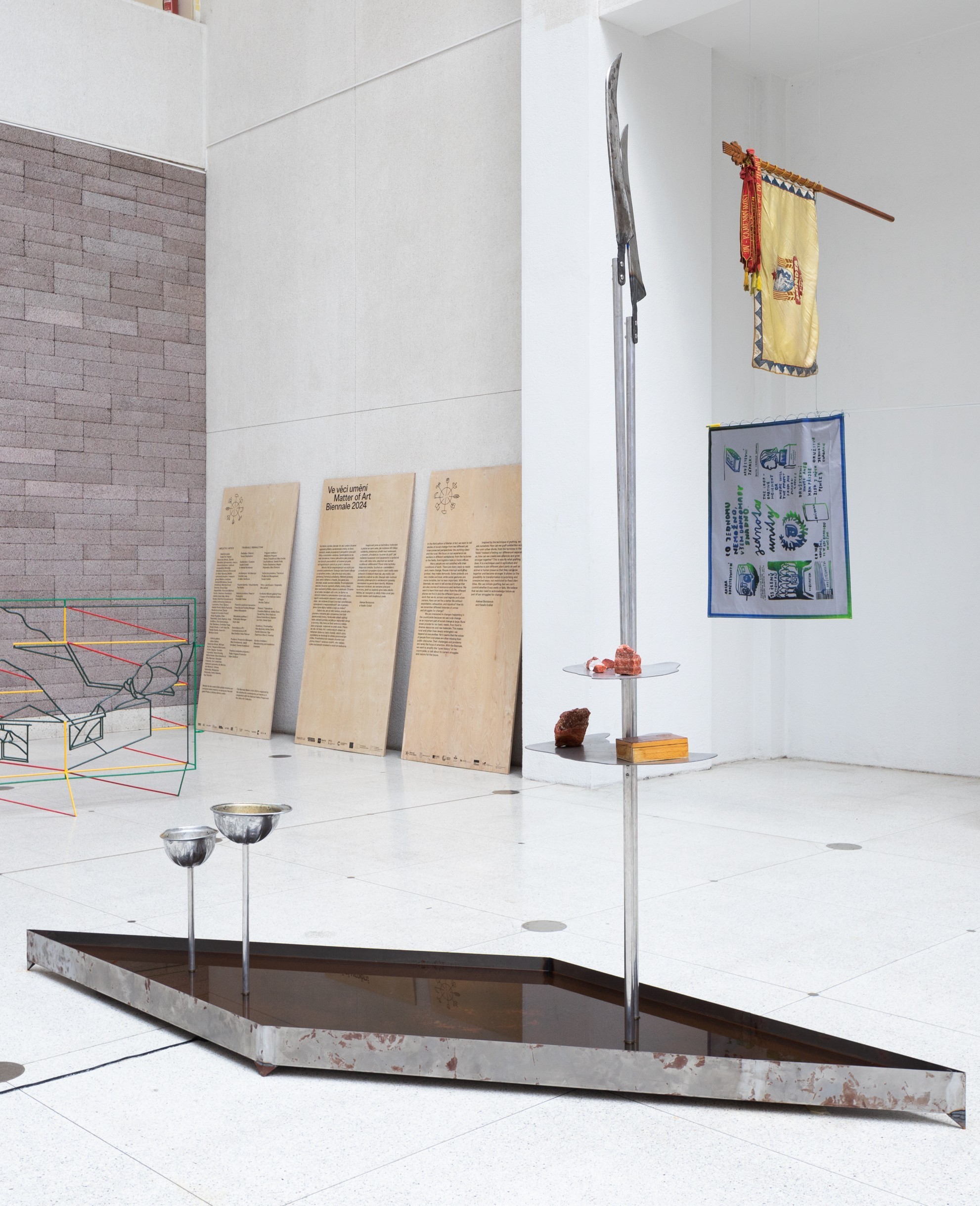
Уладзімір Грамовіч. «Людзі солі» на біенале «Matter of Art». Фота: hramovich.com
This year, a professional jury selected nominees from hundreds of artists, including artist Uladzimir Hramovich. The Belarusian was shortlisted with the installation "People of Salt", which is a fountain with unusual elements related to the history of Salihorsk. In his work, Hramovich turns to the history of the city, famous for its salt mines, and through the image of the fountain connects different historical periods, rethinking the form and meaning of ordinary objects.
— The nomination is certainly an important distinction of my work and work in general over the past five years of forced emigration, — comments Hramovich. — And the work itself, with its theme and content, is an understanding not only of my own private experience, but also of the experience of the community and the history of Belarus. In "People of Salt" I continue historical parallels through the 19th, 20th and 21st centuries. So the emergence of this work and story in an international context was an important event.
This year, a professional jury selected nominees from hundreds of artists, including artist Uladzimir Hramovich. The Belarusian was shortlisted with the installation "People of Salt", which is a fountain with unusual elements related to the history of Salihorsk. In his work, Hramovich turns to the history of the city, famous for its salt mines, and through the image of the fountain connects different historical periods, rethinking the form and meaning of ordinary objects.
— The nomination is certainly an important distinction of my work and work in general over the past five years of forced emigration, — comments Hramovich. — And the work itself, with its theme and content, is an understanding not only of my own private experience, but also of the experience of the community and the history of Belarus. In "People of Salt" I continue historical parallels through the 19th, 20th and 21st centuries. So the emergence of this work and story in an international context was an important event.
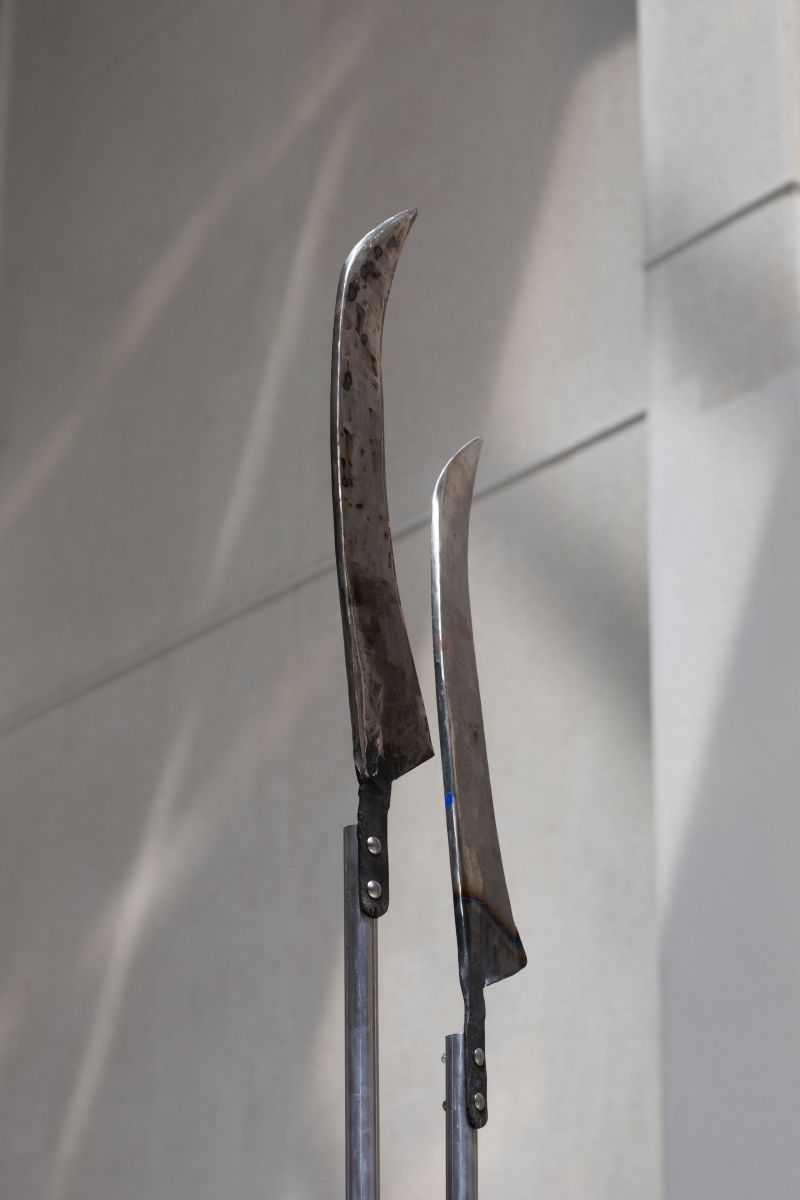
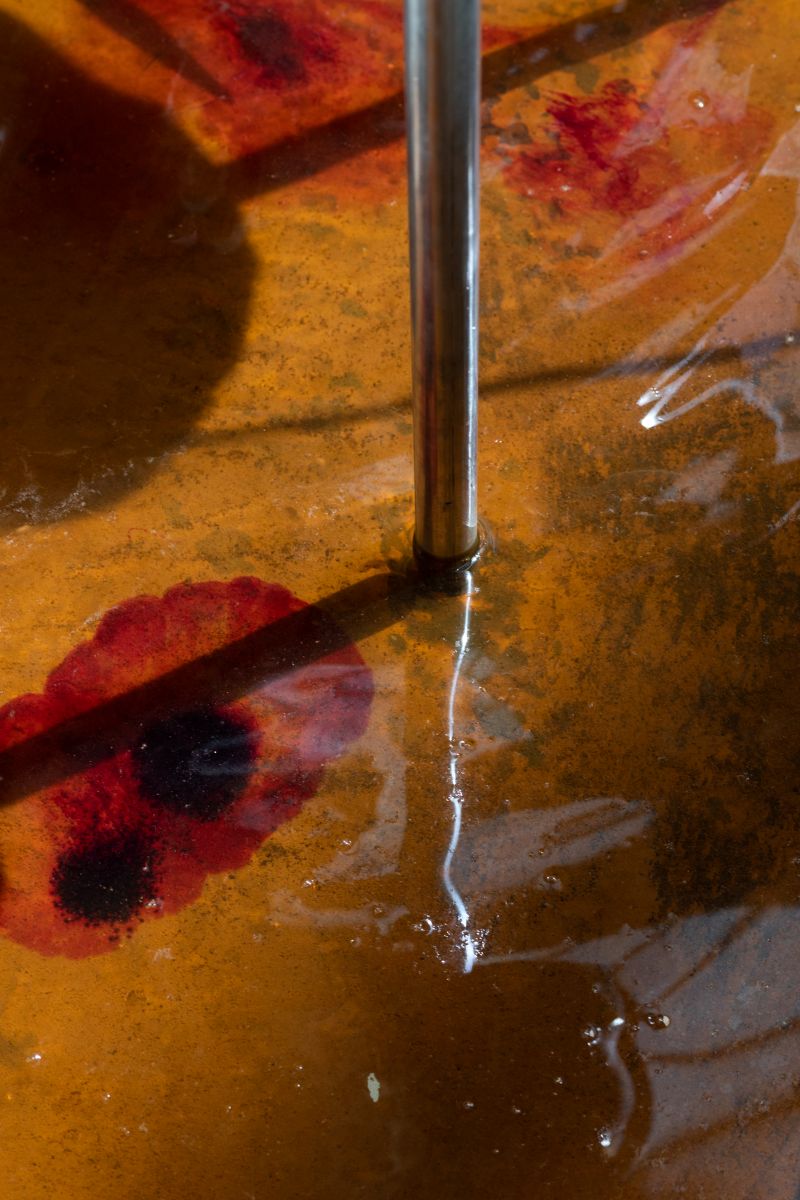
Уладзімір Грамовіч. «Людзі солі» на біенале «Matter of Art». Фота: hramovich.com
The installation "Salt People", made of metal, scythes, pumps, water, potassium permanganate, potassium and found objects, tells the story of two uprisings in Belarus. Hramovich refers the viewer to two historical cases: on the one hand, when workers went on strike against state and police violence, and on the other, when they opposed the colonial rule of the Russian Empire. The artist connects these struggles and how they were forgotten over time.
"Looking at ourselves, at us in a very powerful exhibition together with artists from all over the world gives hope and strength for future works, the strength not to deviate and to move forward," says the artist.
The work can now be seen in Berlin, along with works by other nominees, at the Galerie im Saalbau. The exhibition with it will last until April 19.
The installation "Salt People", made of metal, scythes, pumps, water, potassium permanganate, potassium and found objects, tells the story of two uprisings in Belarus. Hramovich refers the viewer to two historical cases: on the one hand, when workers went on strike against state and police violence, and on the other, when they opposed the colonial rule of the Russian Empire. The artist connects these struggles and how they were forgotten over time.
"Looking at ourselves, at us in a very powerful exhibition together with artists from all over the world gives hope and strength for future works, the strength not to deviate and to move forward," says the artist.
The work can now be seen in Berlin, along with works by other nominees, at the Galerie im Saalbau. The exhibition with it will last until April 19.

Uladzimir Hramovich is a Belarusian artist, a graduate of the Belarusian Academy of Arts. Through his artistic practices, he explores the Soviet past and the modern reality of Belarus. Studying archival documents and objects of visual culture of the last century, he combines the images he sees in his works with photo collage, monochrome drawings and elements of street art.
Перадрук матэрыялу або фрагментаў матэрыялу магчымы толькі з пісьмовага дазволу рэдакцыі.
Калі вы заўважылі памылку ці жадаеце прапанаваць дадатак да апублікаваных матэрыялаў, просім паведаміць нам.
Uladzimir Hramovich is a Belarusian artist, a graduate of the Belarusian Academy of Arts. Through his artistic practices, he explores the Soviet past and the modern reality of Belarus. Studying archival documents and objects of visual culture of the last century, he combines the images he sees in his works with photo collage, monochrome drawings and elements of street art.
Перадрук матэрыялу або фрагментаў матэрыялу магчымы толькі з пісьмовага дазволу рэдакцыі.
Калі вы заўважылі памылку ці жадаеце прапанаваць дадатак да апублікаваных матэрыялаў, просім паведаміць нам.
ПАДЗЯЛІЦЦА:
Also read:


FOLLOW US
INSTAGRAM TELEGRAM TIKTOK FACEBOOK YOUTUBE
© 2026 Chrysalis Mag. All Rights Reserved.
Reprinting of materials or fragments of materials
is allowed only with the written permission