
Watercolour in Belarus. A Concise Overview from Napoleon Orda to Contemporary Artists
Watercolour in Belarus. A Concise Overview from Napoleon Orda to Contemporary Artists
Азбука мастацтваThe ABC of Belarusian Art | 30.01.2026
Do you consider yourself knowledgeable about Belarusian art? And could you tell something about it for every letter of the alphabet? The project The ABC of Belarusian Art is here to help. It introduces remarkable phenomena, both familiar and unusual techniques, and the names of artists from different periods. Discover more about the history of Belarusian art and uncover unexpected facts.
Do you consider yourself knowledgeable about Belarusian art? And could you tell something about it for every letter of the alphabet? The project The ABC of Belarusian Art is here to help. It introduces remarkable phenomena, both familiar and unusual techniques, and the names of artists from different periods. Discover more about the history of Belarusian art and uncover unexpected facts.
SHARE:
SHARE:
For a long time, watercolour was not regarded as a fully fledged painting technique. In the 15th–17th centuries, it served primarily an applied and auxiliary function: it was used to colour engravings, drawings, architectural plans, as well as sketches for frescoes and paintings. During this period, watercolour existed mainly within the field of graphic art, although its artistic potential gradually began to expand.
For a long time, watercolour was not regarded as a fully fledged painting technique. In the 15th–17th centuries, it served primarily an applied and auxiliary function: it was used to colour engravings, drawings, architectural plans, as well as sketches for frescoes and paintings. During this period, watercolour existed mainly within the field of graphic art, although its artistic potential gradually began to expand.
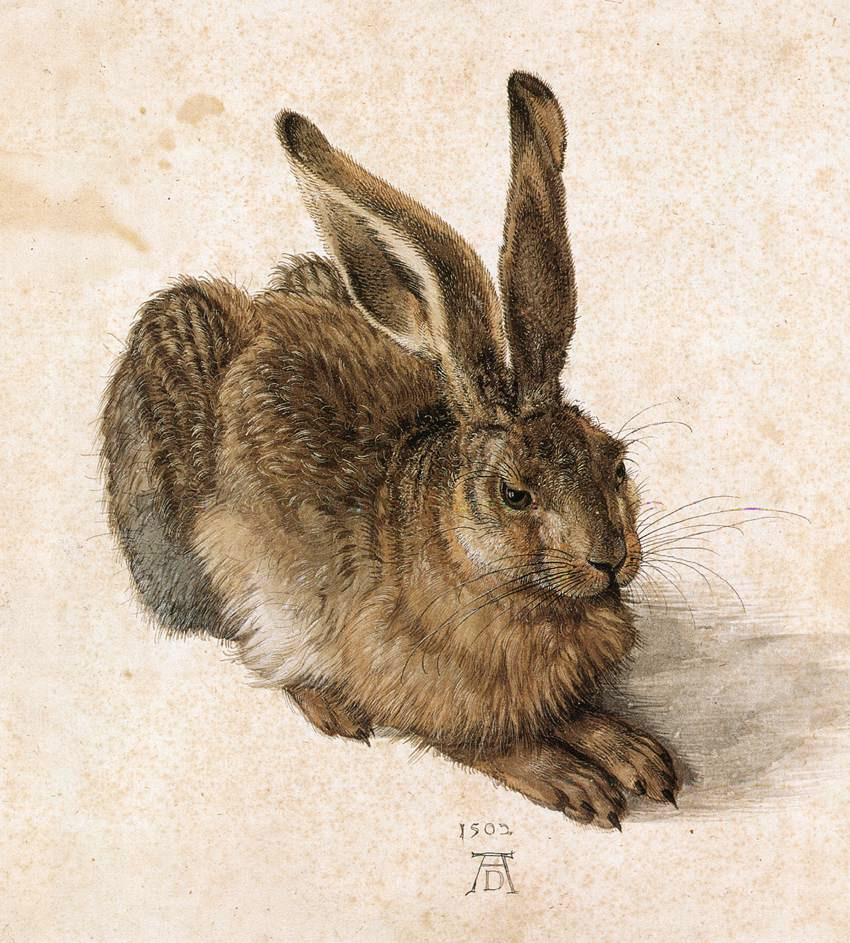
Albrecht Dürer — Young Hare (1502) / watercolour / Albertina, Vienna.
One of the early examples of the high artistic quality of watercolour, in which precise drawing is combined with subtle chromatic modelling of form.
In Belarus, watercolour gradually became established as an independent artistic technique at the turn of the 19th and 20th centuries. It proved particularly popular among artists working with landscape and cityscape, as it allowed them to quickly capture a motif and convey the changing conditions of weather, light, and atmosphere.
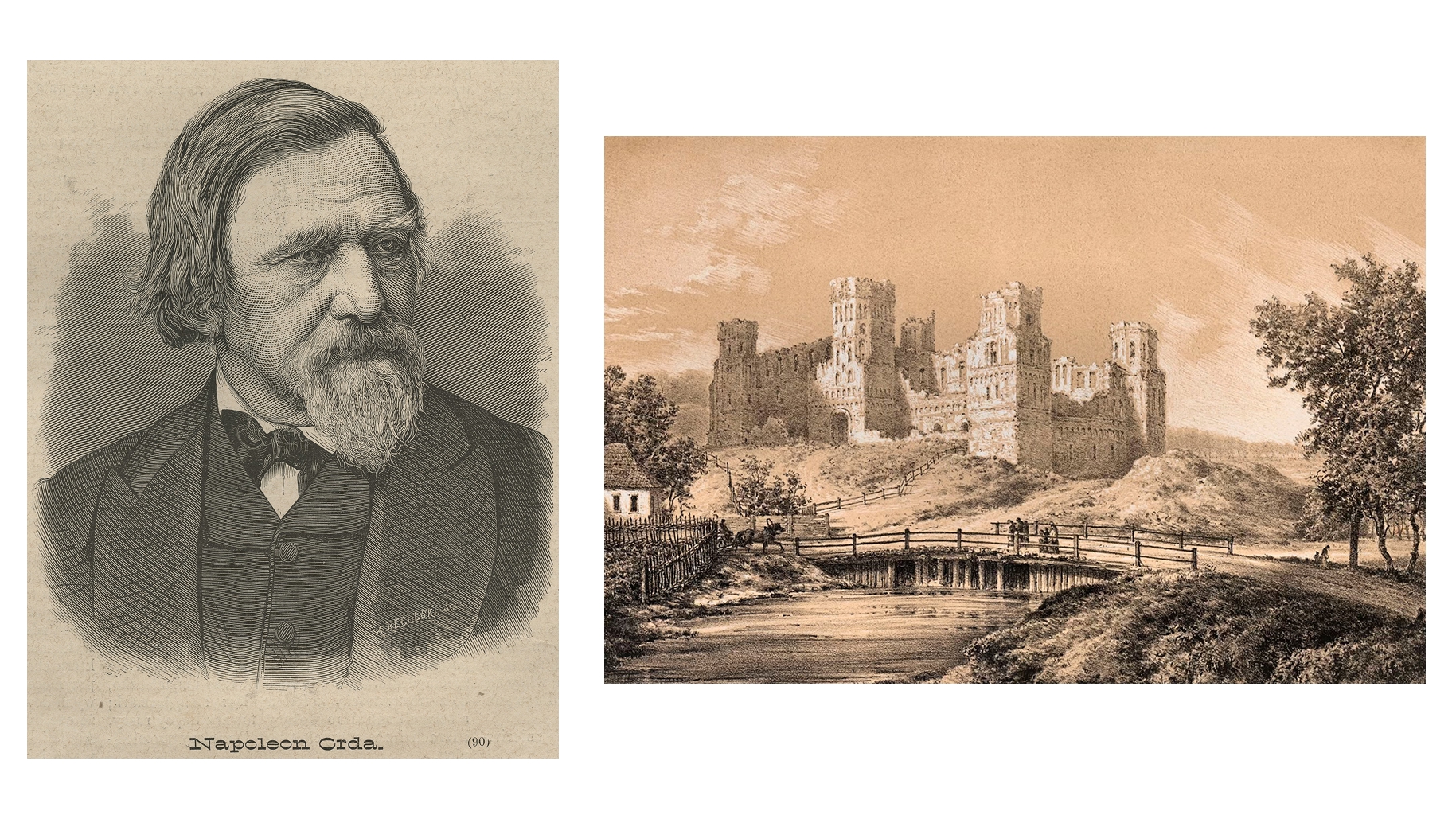
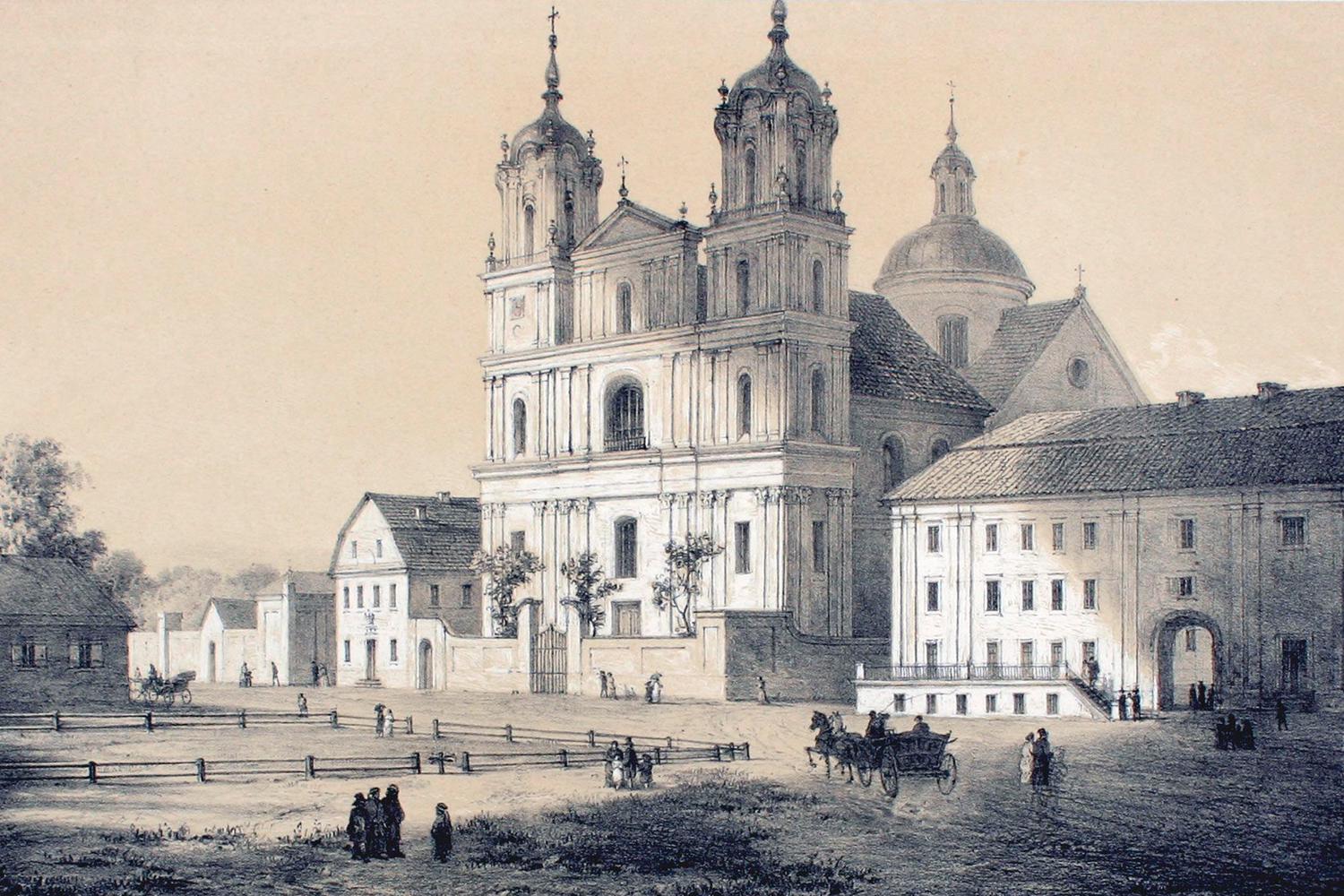
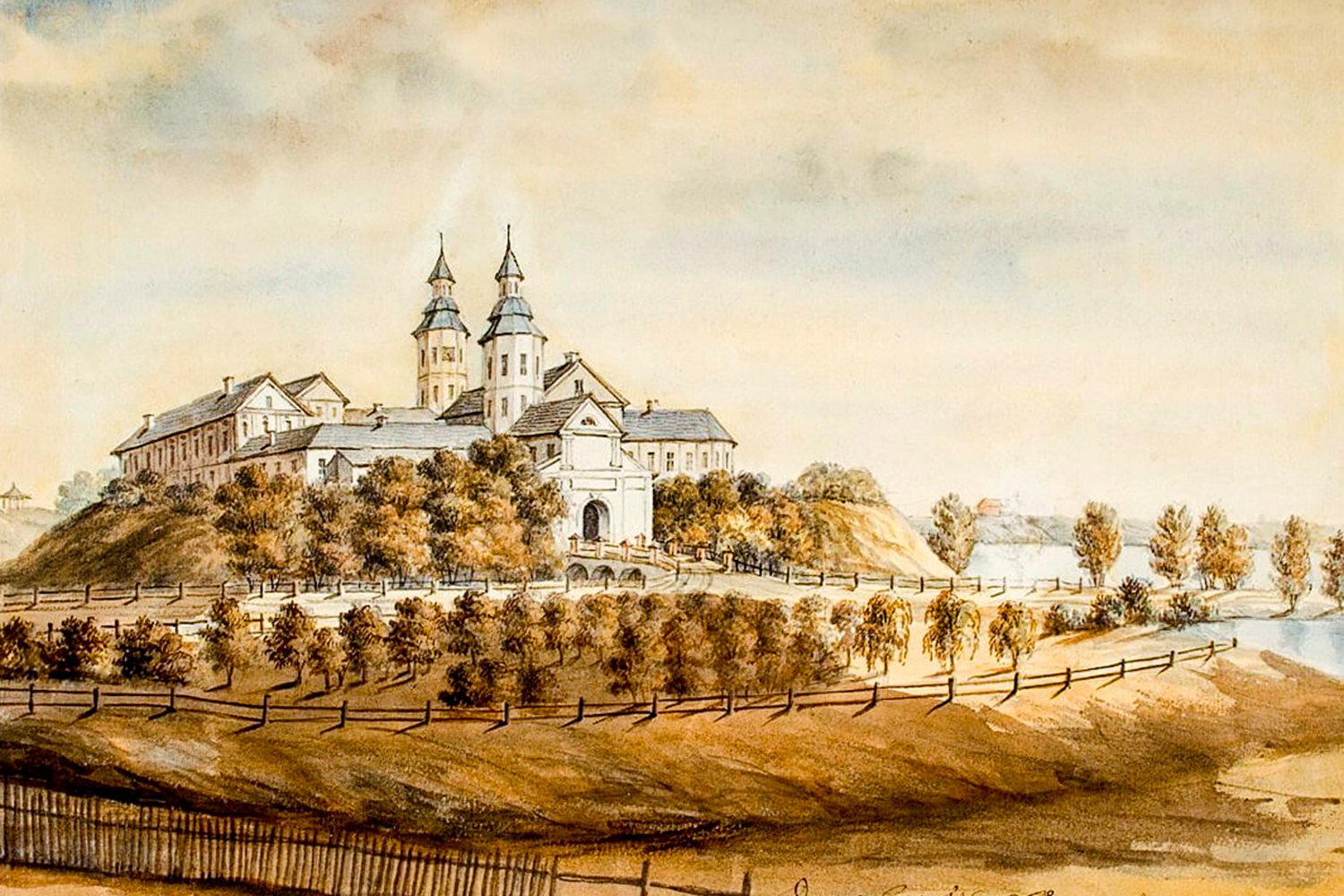
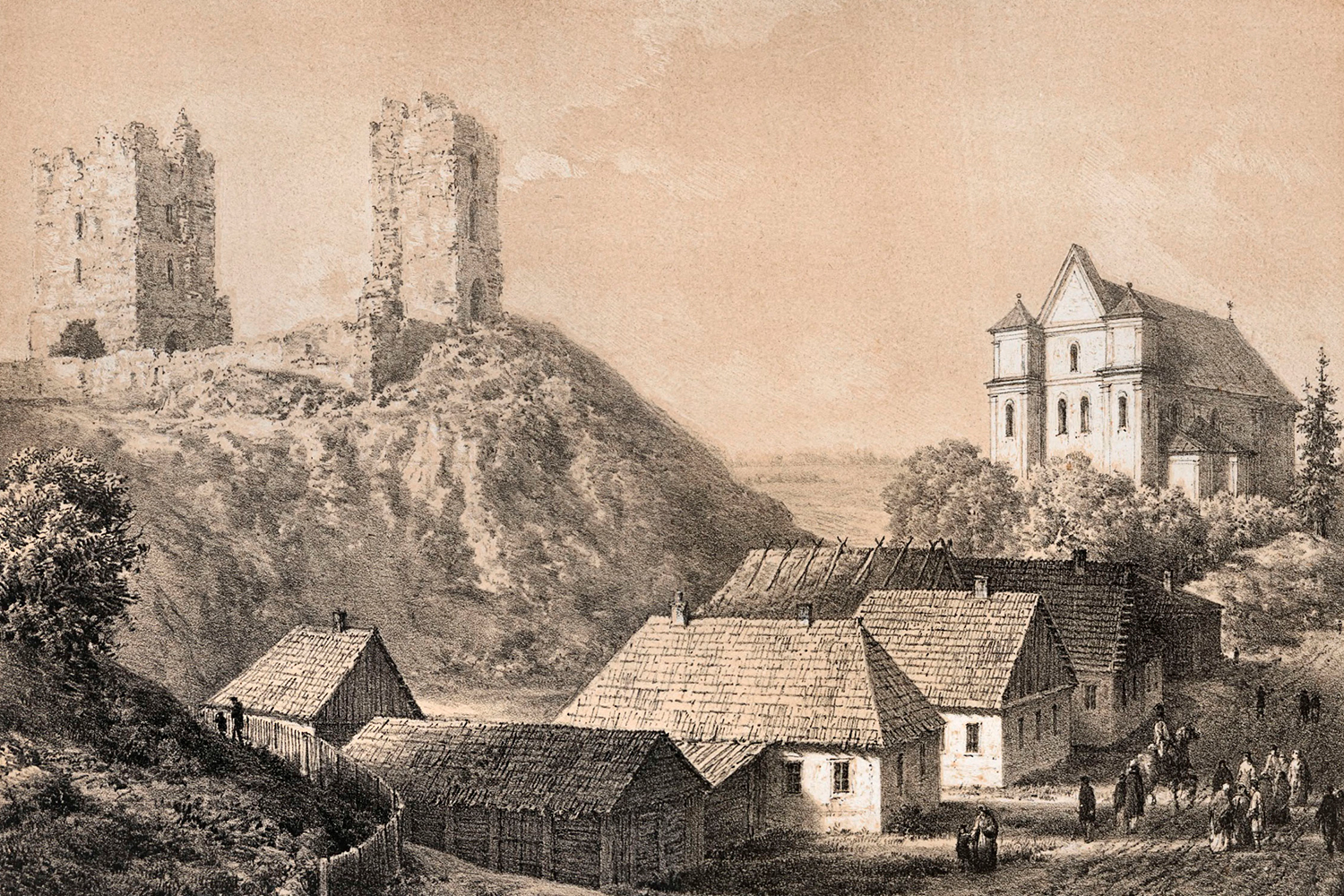
In this context, the most recognisable figure for Belarusians undoubtedly remains Napoleon Orda (1807–1883). A native of the Grodno region, Orda left an extensive legacy of watercolours depicting specific locations across Belarus and various landscape motifs. Castles in Mir and Lida, the Nesvizh Palace, views of Grodno and Minsk — all these lend his works not only aesthetic but also historical value. Later, these watercolours served as the basis for lithographs published in albums of 20–30 sheets.
In Belarus, watercolour gradually became established as an independent artistic technique at the turn of the 19th and 20th centuries. It proved particularly popular among artists working with landscape and cityscape, as it allowed them to quickly capture a motif and convey the changing conditions of weather, light, and atmosphere.
In this context, the most recognisable figure for Belarusians undoubtedly remains Napoleon Orda (1807–1883). A native of the Grodno region, Orda left an extensive legacy of watercolours depicting specific locations across Belarus and various landscape motifs. Castles in Mir and Lida, the Nesvizh Palace, views of Grodno and Minsk — all these lend his works not only aesthetic but also historical value. Later, these watercolours served as the basis for lithographs published in albums of 20–30 sheets.
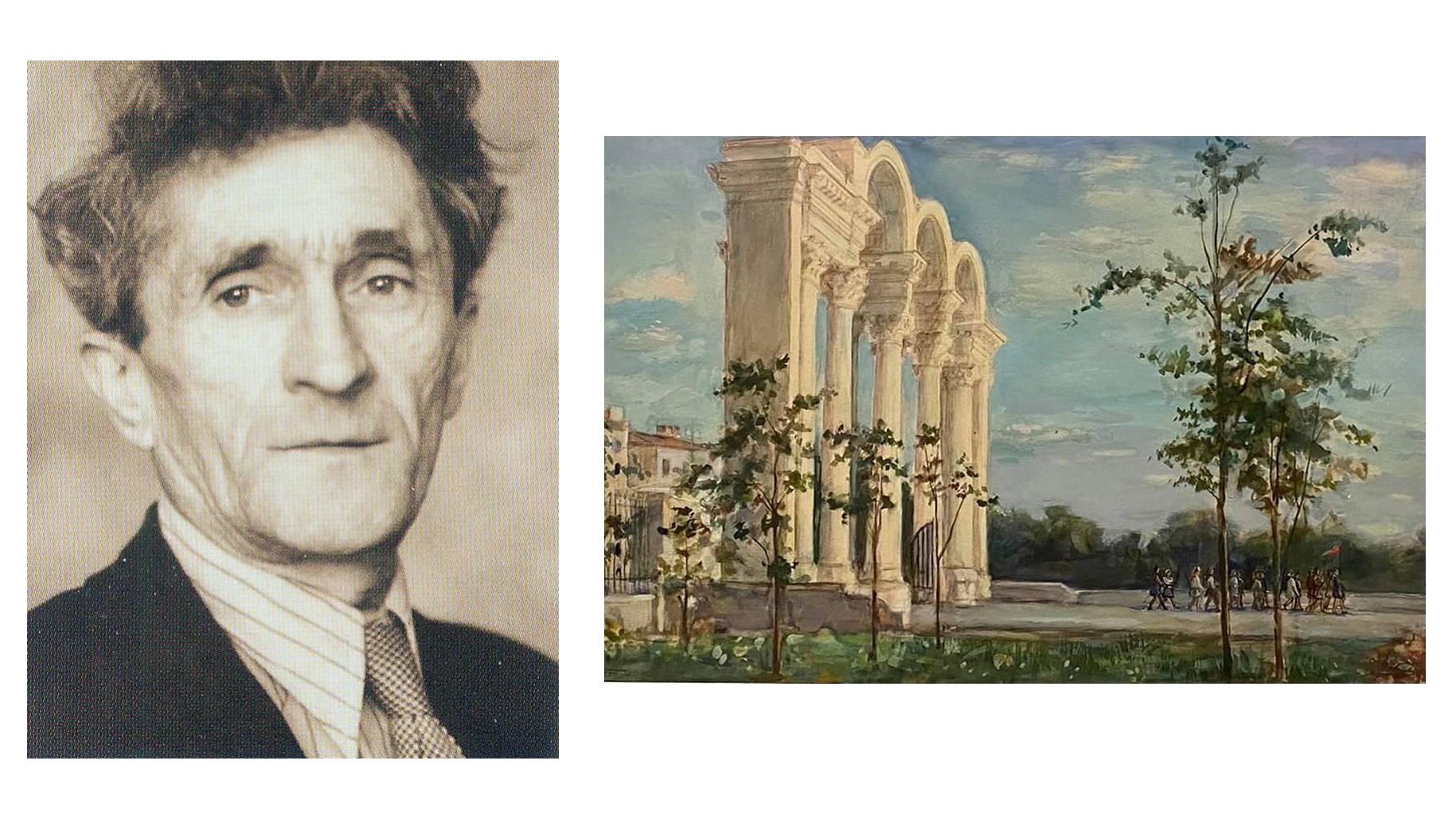
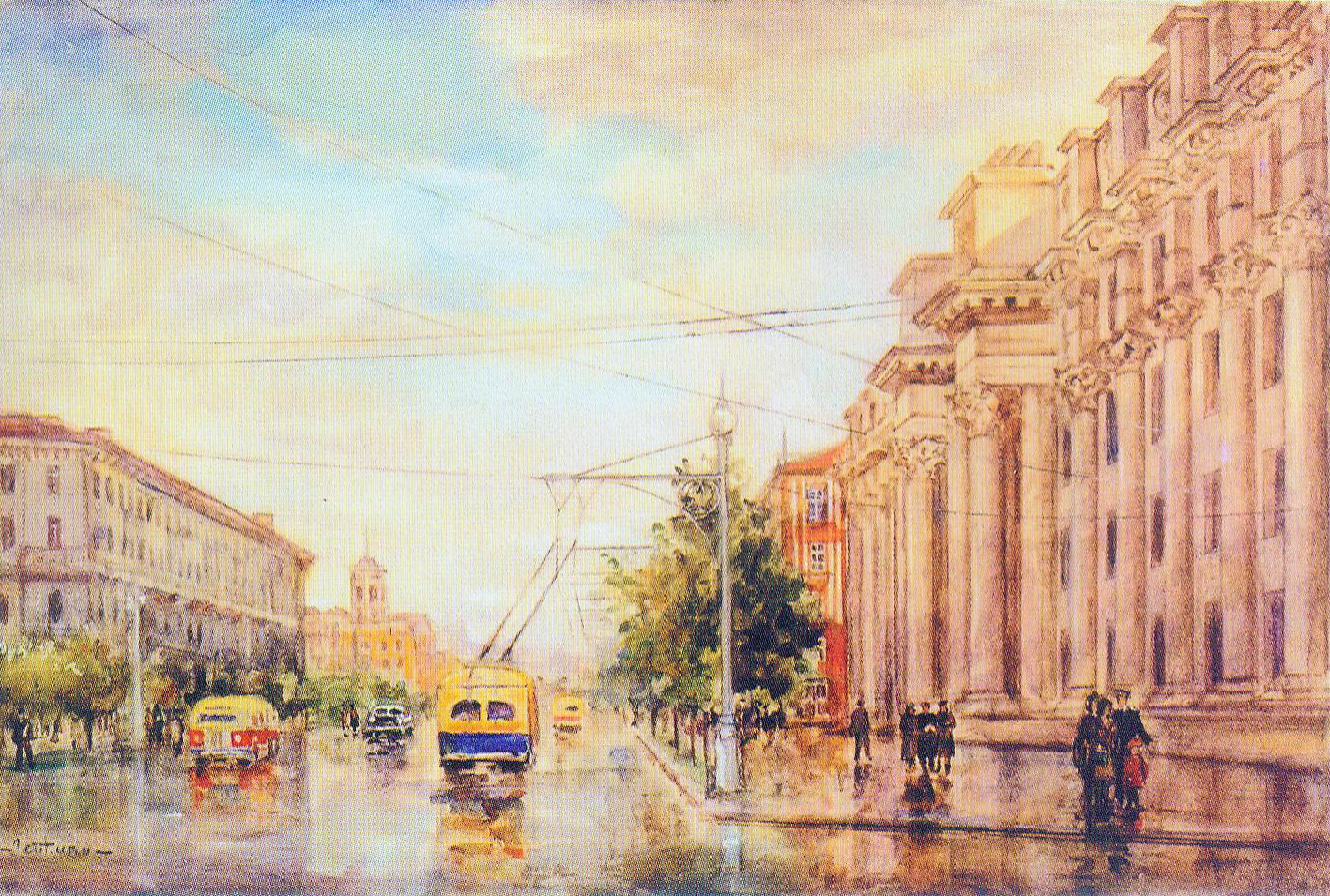
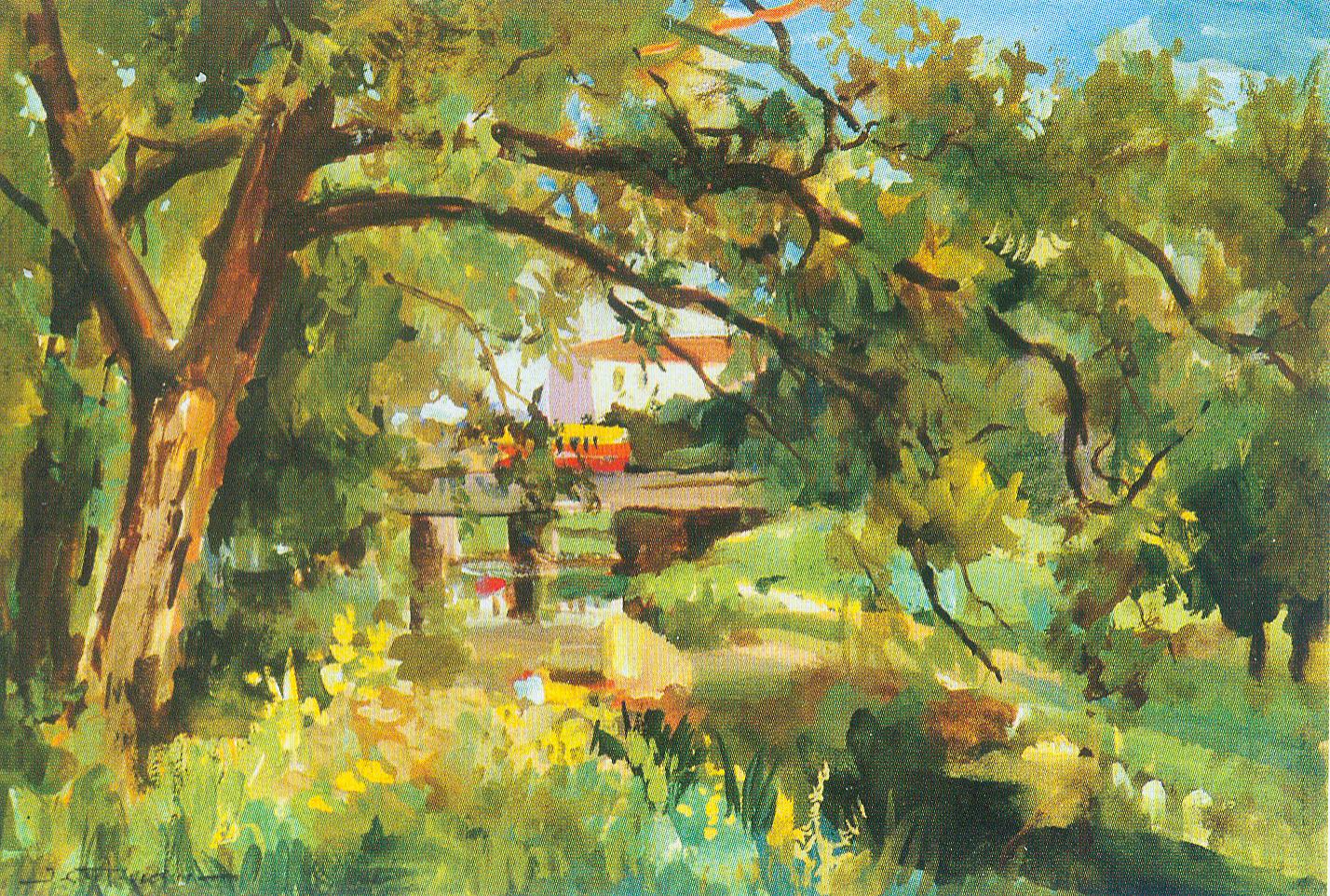
The transition towards an understanding of watercolour as a painterly form takes place in Belarusian artistic tradition in the 20th century. In textbooks, one of the first leading Belarusian watercolourists in this sense is Lev Leitman (1896–1974). He began his professional career in Vitebsk, where he developed as both an artist and an educator. In the post-war period, Leitman moved to Minsk, where he stood at the origins of the methodological framework of the Minsk Art College.
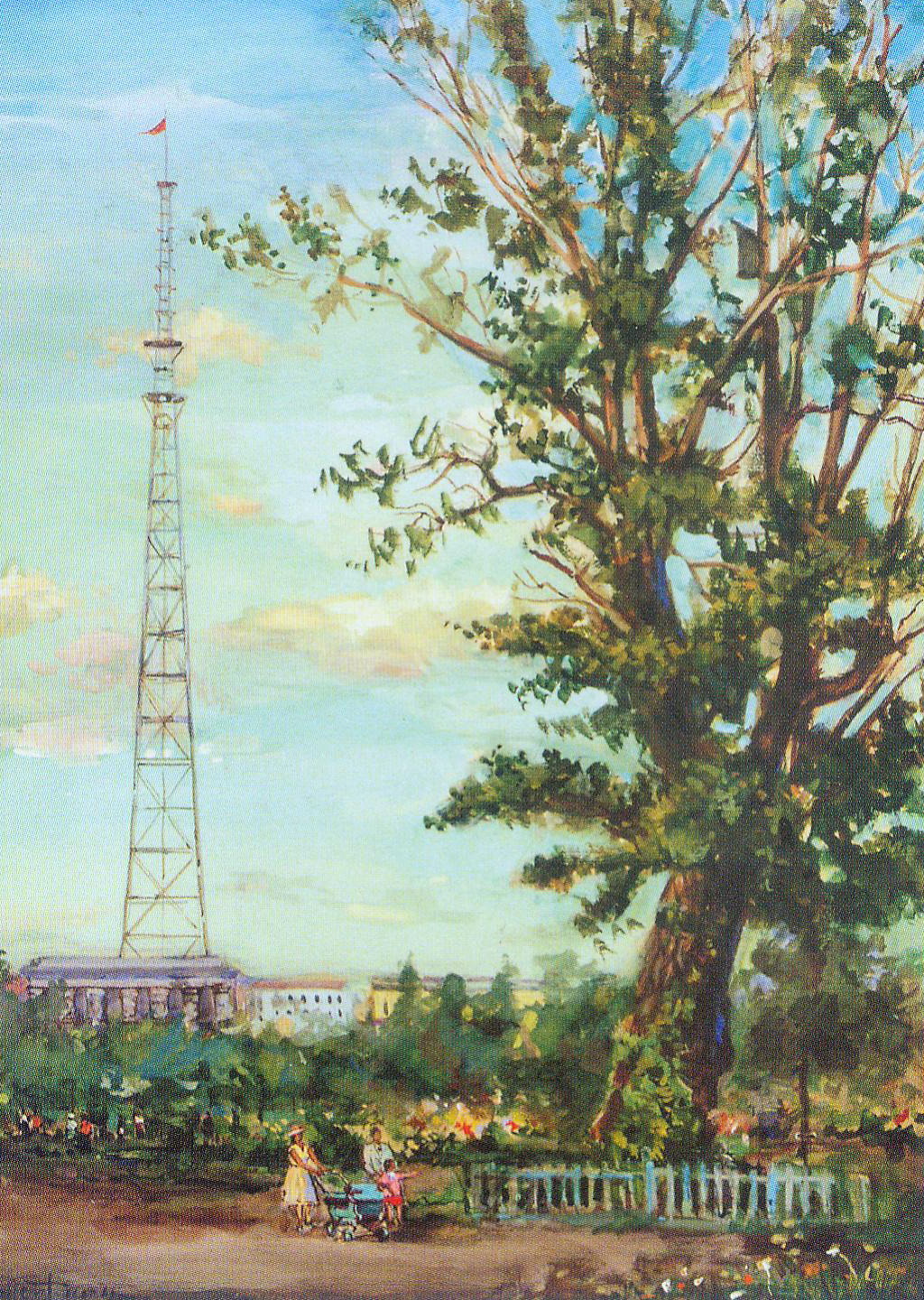
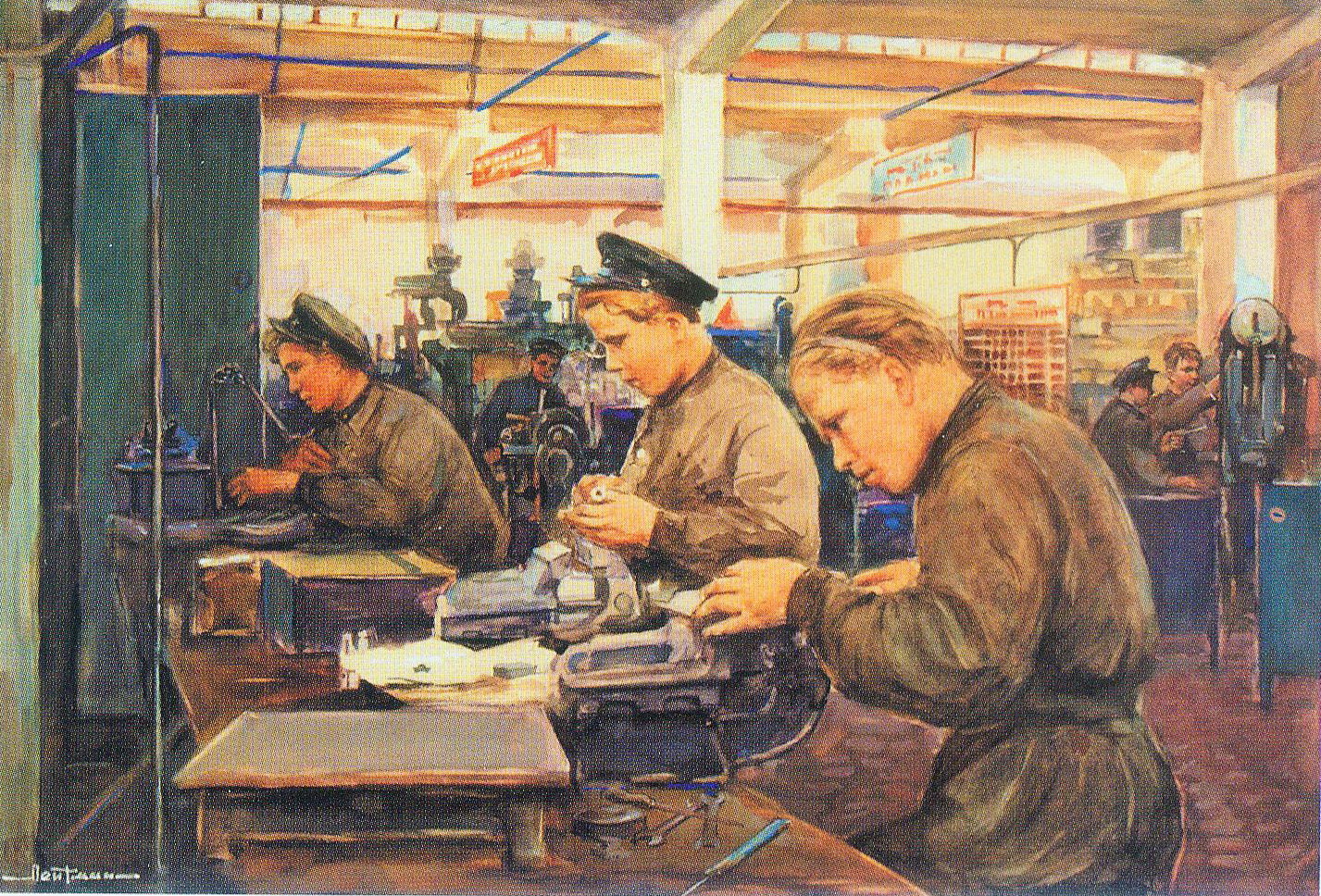
Unlike Orda, in Leitman’s watercolours colour and atmospheric condition become the primary means of artistic expression. His works devoted to views of Belarusian cities, industrial motifs, and scenes of everyday life are marked by a pronounced painterly quality. Unfortunately, only a small number of works from his Vitebsk period have survived. Among them are Bridge (1934), Landscape (1934), Rainy Day (Dvina. Vitebsk) (1934), and Evening (1930s). These works are filled with gentle melancholy and sincere affection for the city on the Dvina River.
The transition towards an understanding of watercolour as a painterly form takes place in Belarusian artistic tradition in the 20th century. In textbooks, one of the first leading Belarusian watercolourists in this sense is Lev Leitman (1896–1974). He began his professional career in Vitebsk, where he developed as both an artist and an educator. In the post-war period, Leitman moved to Minsk, where he stood at the origins of the methodological framework of the Minsk Art College.
Unlike Orda, in Leitman’s watercolours colour and atmospheric condition become the primary means of artistic expression. His works devoted to views of Belarusian cities, industrial motifs, and scenes of everyday life are marked by a pronounced painterly quality. Unfortunately, only a small number of works from his Vitebsk period have survived. Among them are Bridge (1934), Landscape (1934), Rainy Day (Dvina. Vitebsk) (1934), and Evening (1930s). These works are filled with gentle melancholy and sincere affection for the city on the Dvina River.
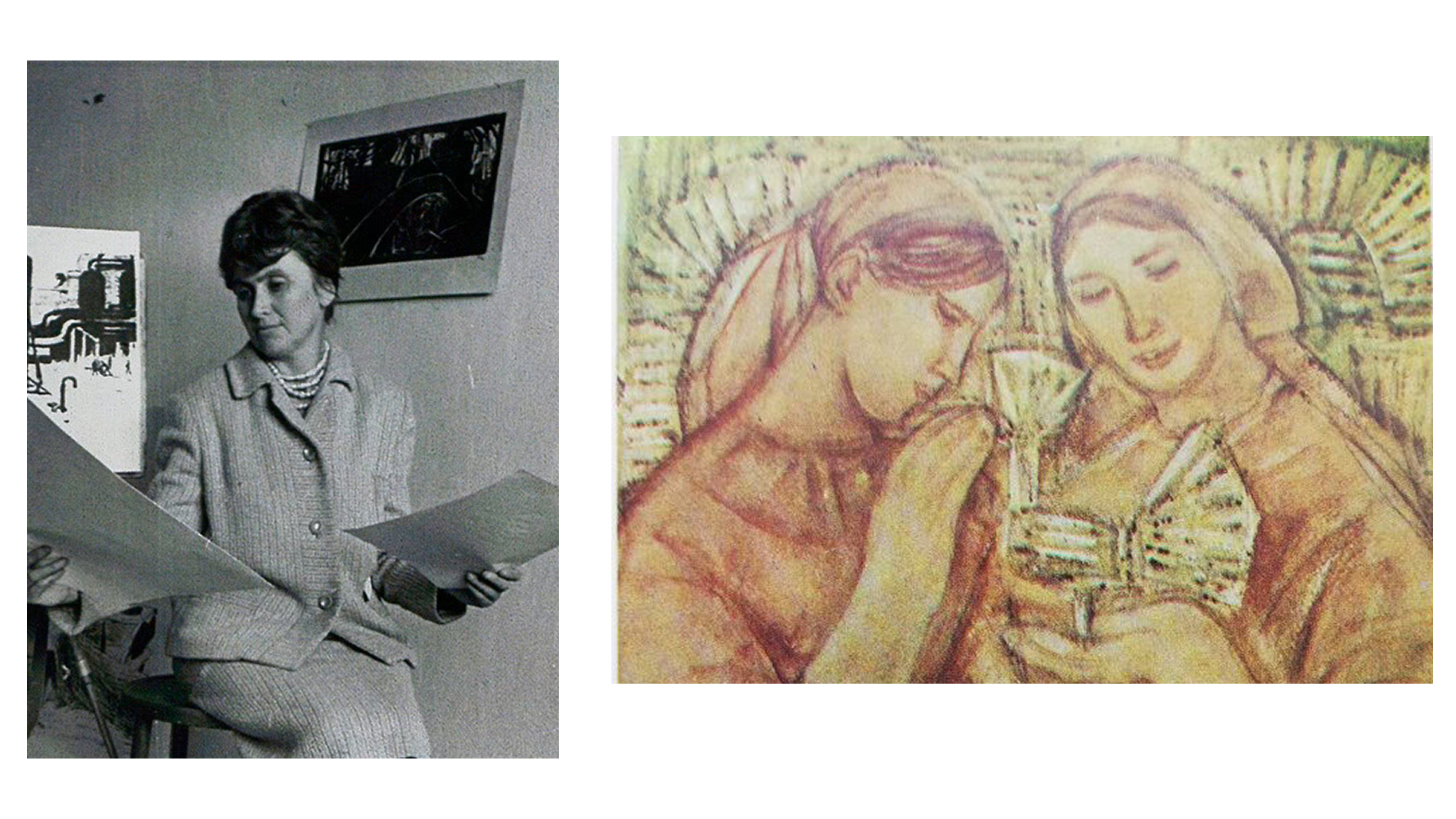
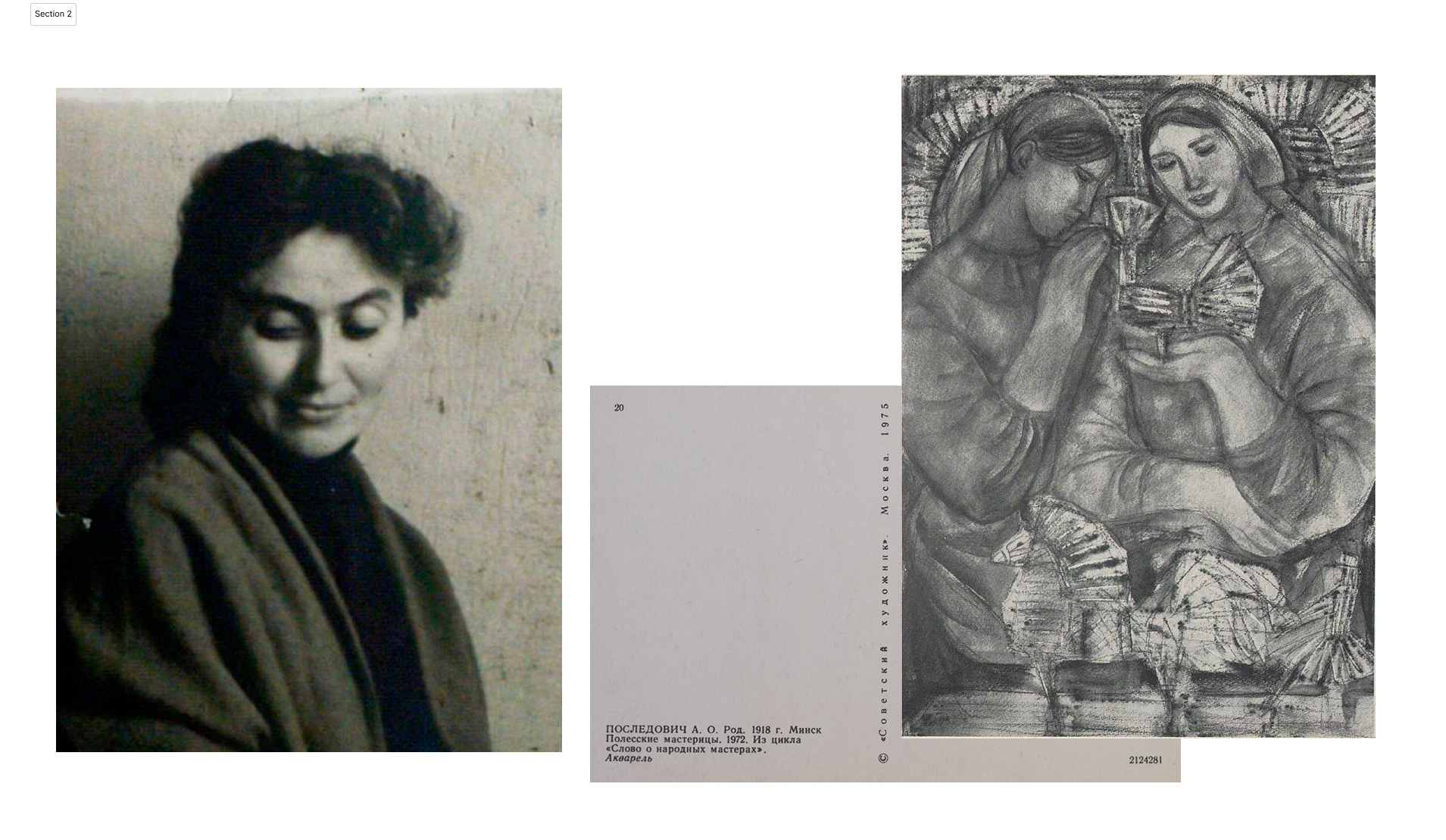
Based on the textbook Fundamentals of Watercolour Painting by A. I. Burchyk, a lecturer at Grodno State University, it can be stated that a new stage in the development of Belarusian watercolour began in the early 1960s. It was during this period that all-Union and republican watercolour exhibitions were organised in Belarus, and local schools began to form, including the Vitebsk School of Watercolour. The artistic processes of the 1960s are associated with the names of Aliaksandra Paslyadovich, Hryhoriy Poplavsky, Uladzimir Stelmashonak, Havriil Vashchanka, and Feliks Humen, among others.
Based on the textbook Fundamentals of Watercolour Painting by A. I. Burchyk, a lecturer at Grodno State University, it can be stated that a new stage in the development of Belarusian watercolour began in the early 1960s. It was during this period that all-Union and republican watercolour exhibitions were organised in Belarus, and local schools began to form, including the Vitebsk School of Watercolour. The artistic processes of the 1960s are associated with the names of Aliaksandra Paslyadovich, Hryhoriy Poplavsky, Uladzimir Stelmashonak, Havriil Vashchanka, and Feliks Humen, among others.
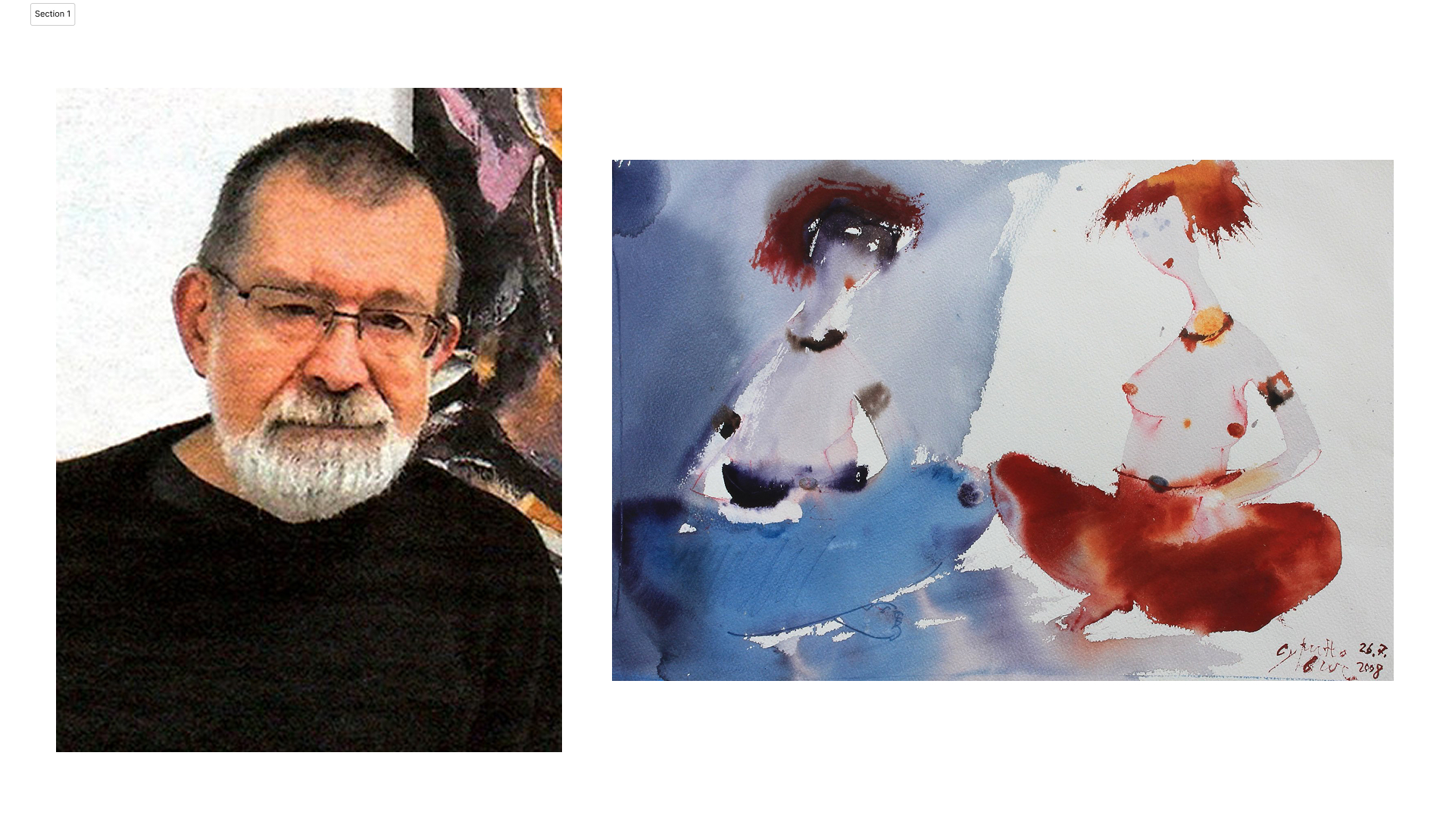
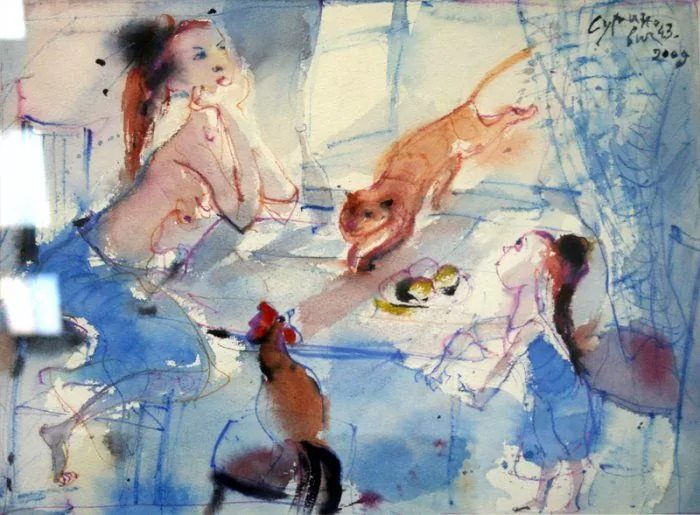
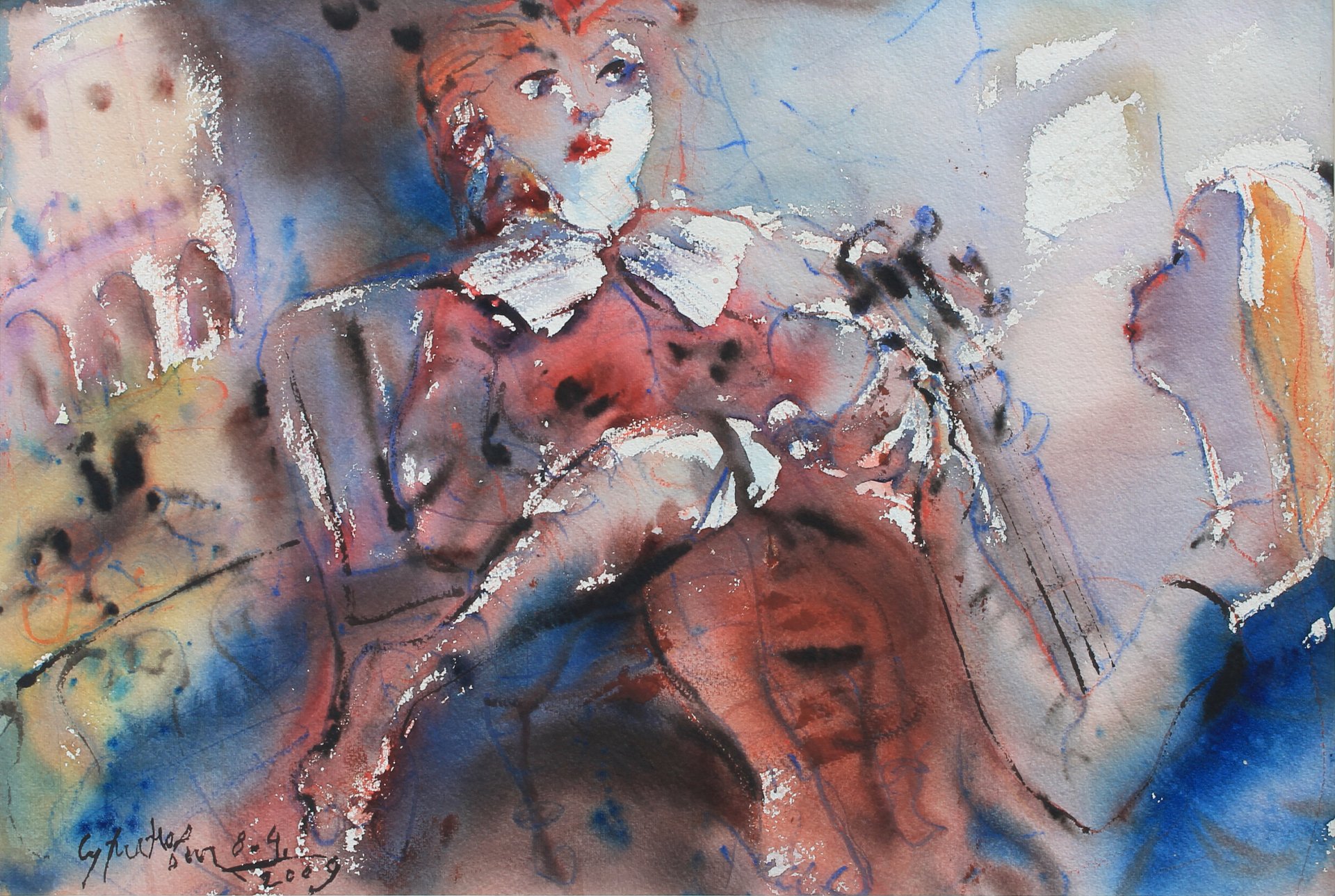
In the 1980s, elements of graphic design appear in the structural and figurative language of watercolour. Non-objectivity and a tendency towards monochromy become features of a new direction. Artists increasingly combine watercolour with other artistic means. Improvisations using combined authorial techniques are characteristic of the works of Uladzimir Savich, Dzmitry Surynovich, and Pyotr Drachov.
In the 1980s, elements of graphic design appear in the structural and figurative language of watercolour. Non-objectivity and a tendency towards monochromy become features of a new direction. Artists increasingly combine watercolour with other artistic means. Improvisations using combined authorial techniques are characteristic of the works of Uladzimir Savich, Dzmitry Surynovich, and Pyotr Drachov.
As for more recent developments in watercolour, Burchyk identifies its painterly quality as one of the leading tendencies. In his view, colour plays the central role in creating the image, filling the work with emotional content. Many works display a pronounced decorative character. He highlights the allegorical and symbolic compositions of Zoya Litvinova(b. 1938) for their distinctive chromatic language.
As for more recent developments in watercolour, Burchyk identifies its painterly quality as one of the leading tendencies. In his view, colour plays the central role in creating the image, filling the work with emotional content. Many works display a pronounced decorative character. He highlights the allegorical and symbolic compositions of Zoya Litvinova (b. 1938) for their distinctive chromatic language.
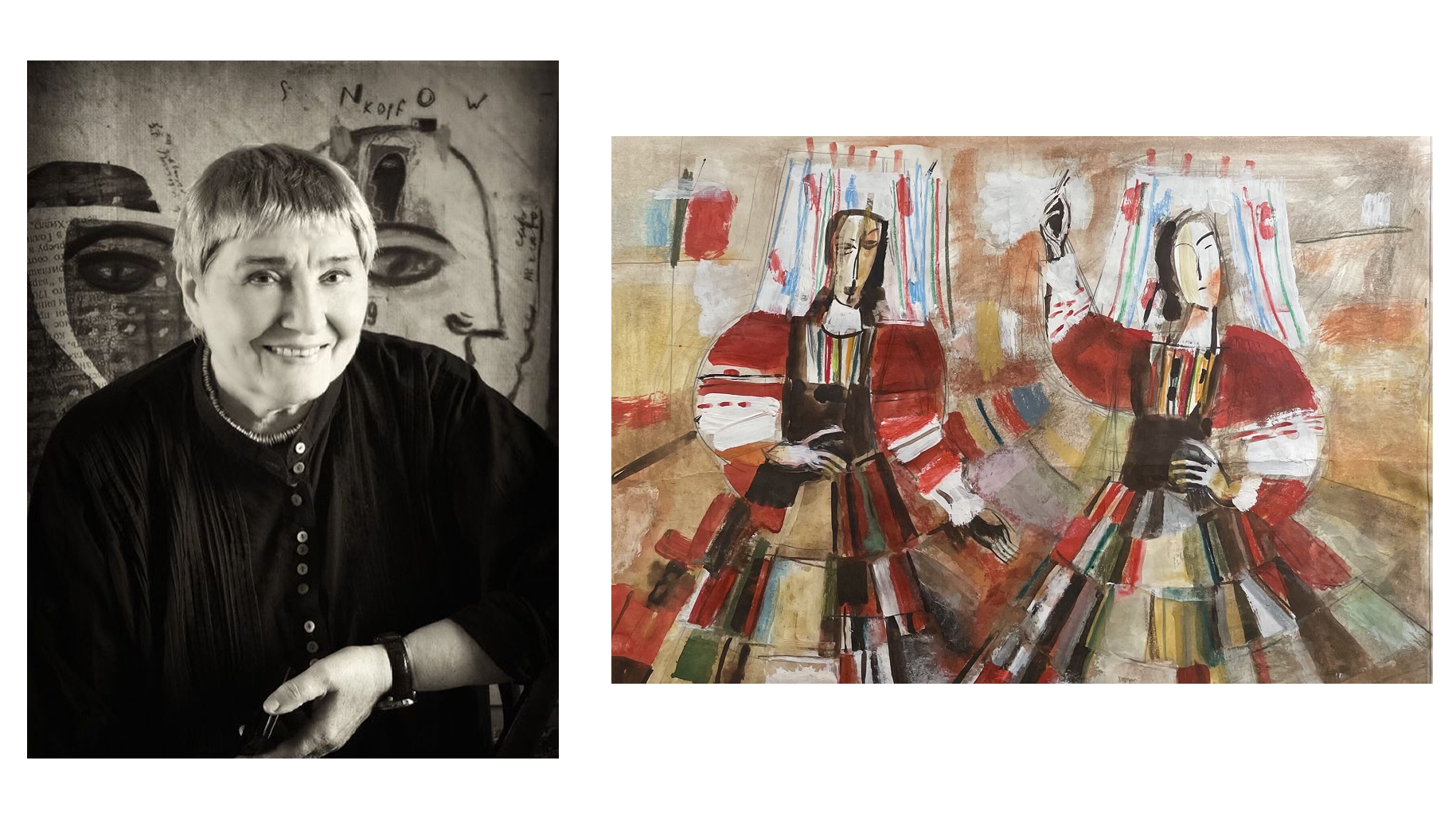
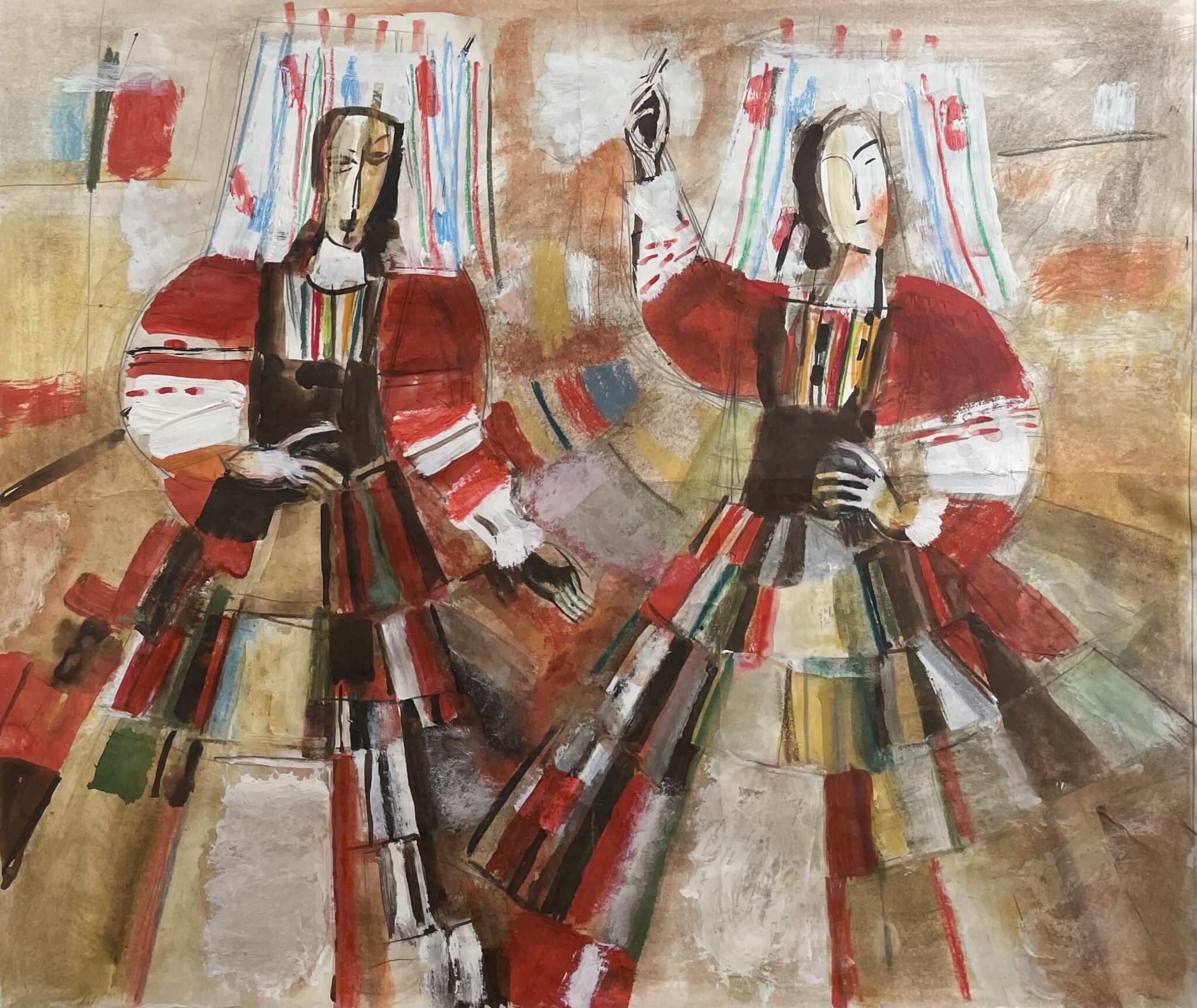
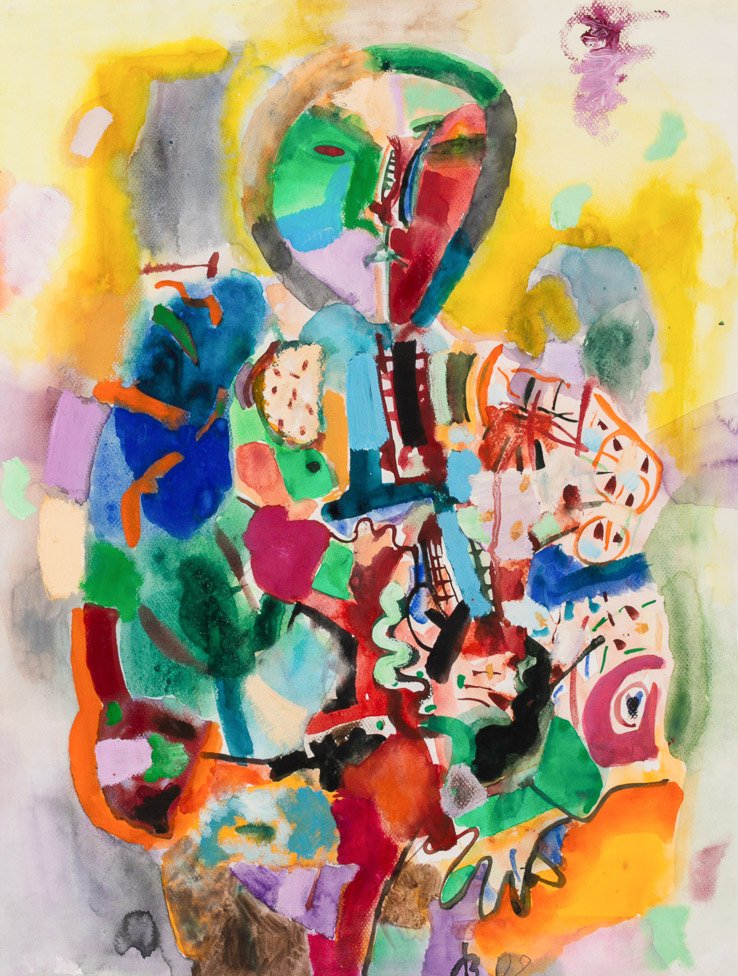
Zoya Litvinova and her works:
1 — Portrait of the artist and a fragment of Dance;
2 — Watercolour Dance;
3 — Watercolour I Have the Flu (2002).
/ здымак мастачкі ўзят з сайта галерэі Арт-хаос, праца "Танец" узята з сайта галерэі Прадмесце, праца «Я болею гриппом» узята з сайта аўкцыённага дому ЛітФонд.
So how should watercolour be classified: as graphic art, as in Orda’s work, or as painting, as in Litvinova’s?
In the history of art, watercolour occupies a borderline position between graphic art and painting. Initially, watercolour is a material — transparent, water-soluble paints usually applied to paper. However, the concept of watercolour technique is much broader than the use of watercolour paints alone.
As an artistic technique, watercolour can function within both systems — graphic and painterly — depending on the tasks set by the artist. When transparent colour layers, lightness, and the interplay of line and wash are subordinated to drawing, the work is considered graphic in character. When colour, tone, atmospheric environment, and painterly plasticity become the primary means of image-making, regardless of the specific material used, one speaks of watercolour painting or a painterly mode of thinking characteristic of watercolour.
Today, many artists continue to use watercolour or watercolour-based techniques in contemporary practice. Not sure where to start? We suggest beginning with just a few artists whose work one can immerse oneself in for hours: Dina Leonava, Tatsiana Karpachova, and Vasilisa Palianina.
Today, many artists continue to use watercolour or watercolour-based techniques in contemporary practice. Not sure where to start? We suggest beginning with just a few artists whose work one can immerse oneself in for hours: Dina Leonava, Tatsiana Karpachova, and Vasilisa Palianina.
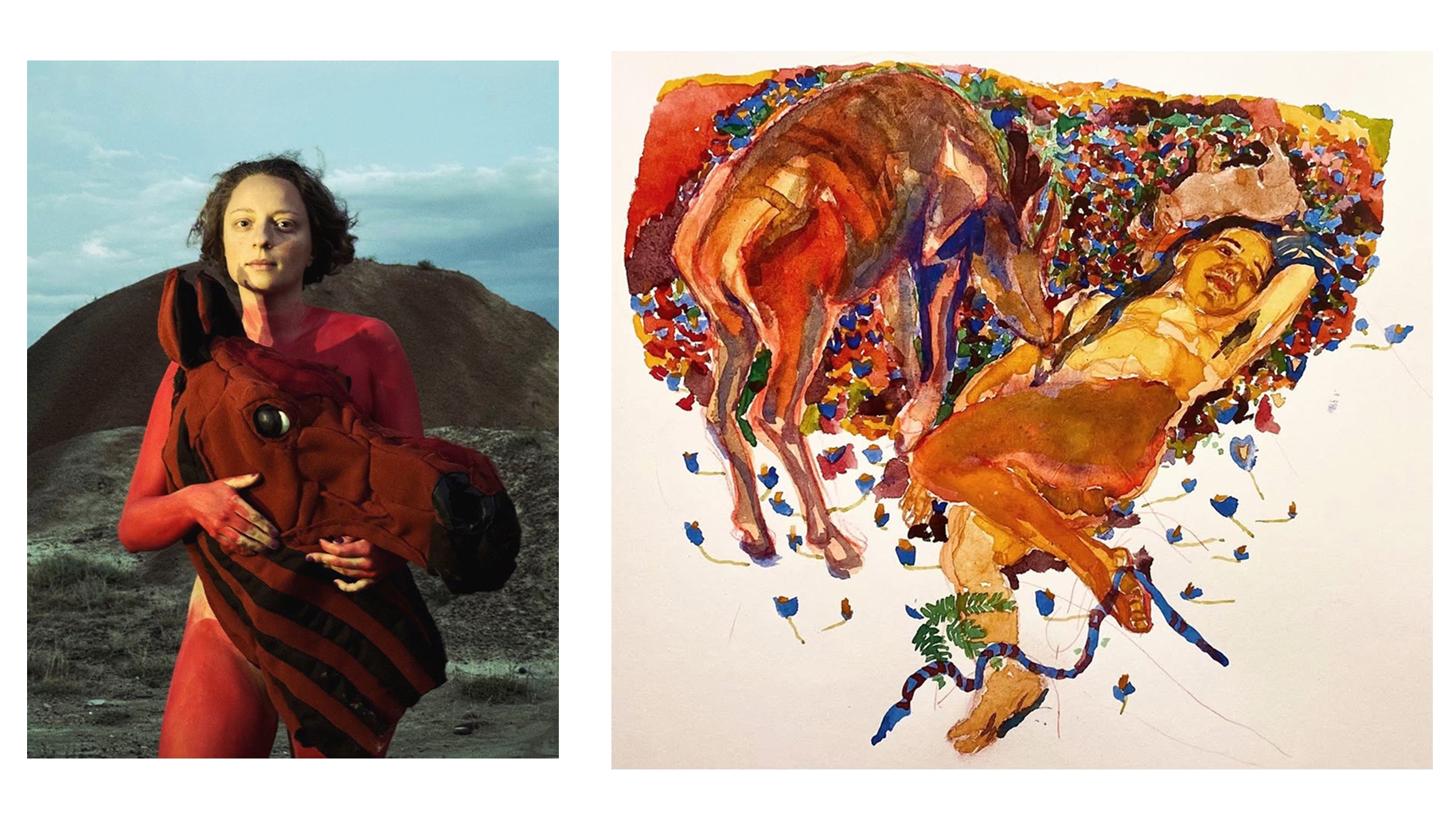
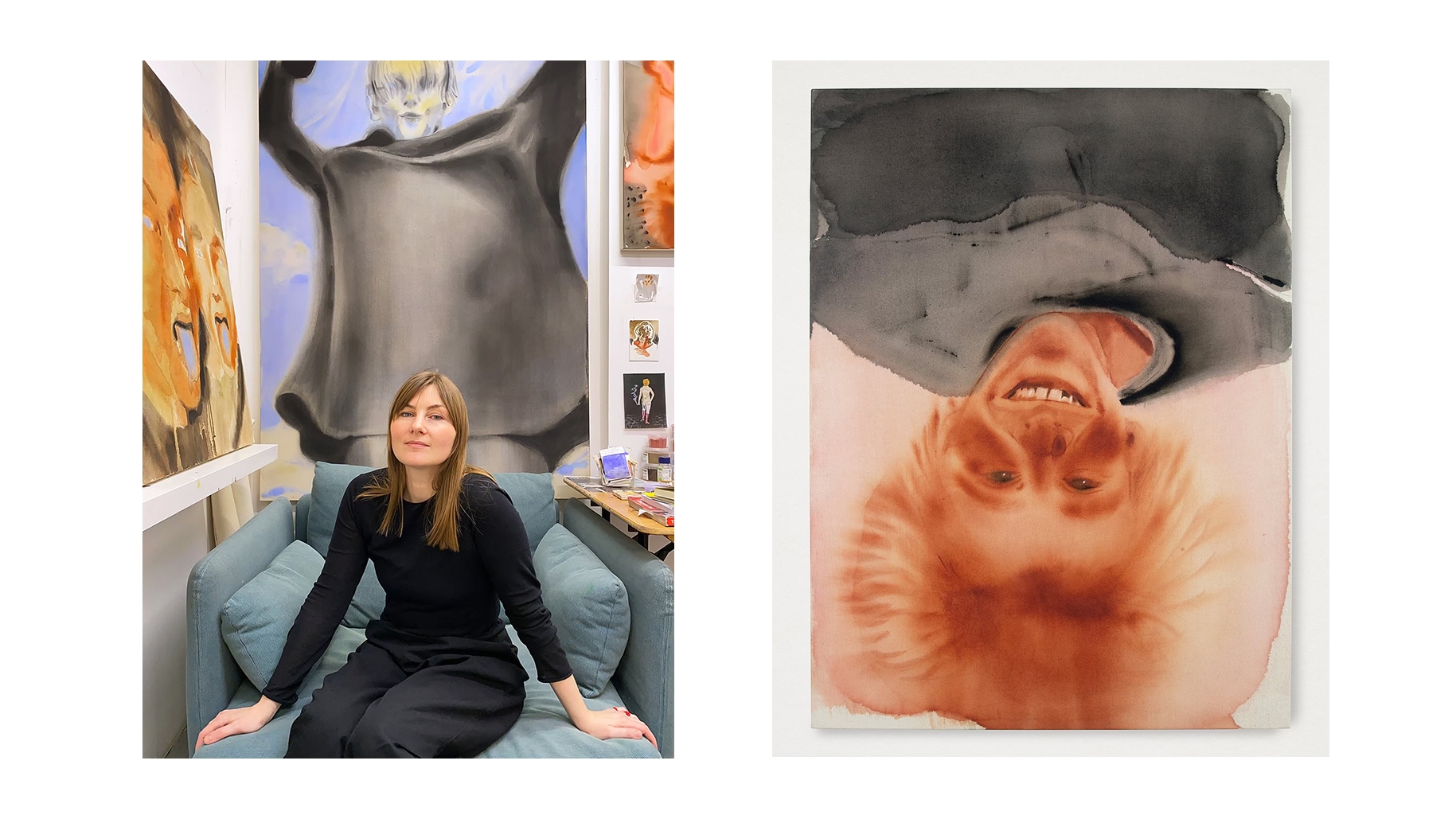
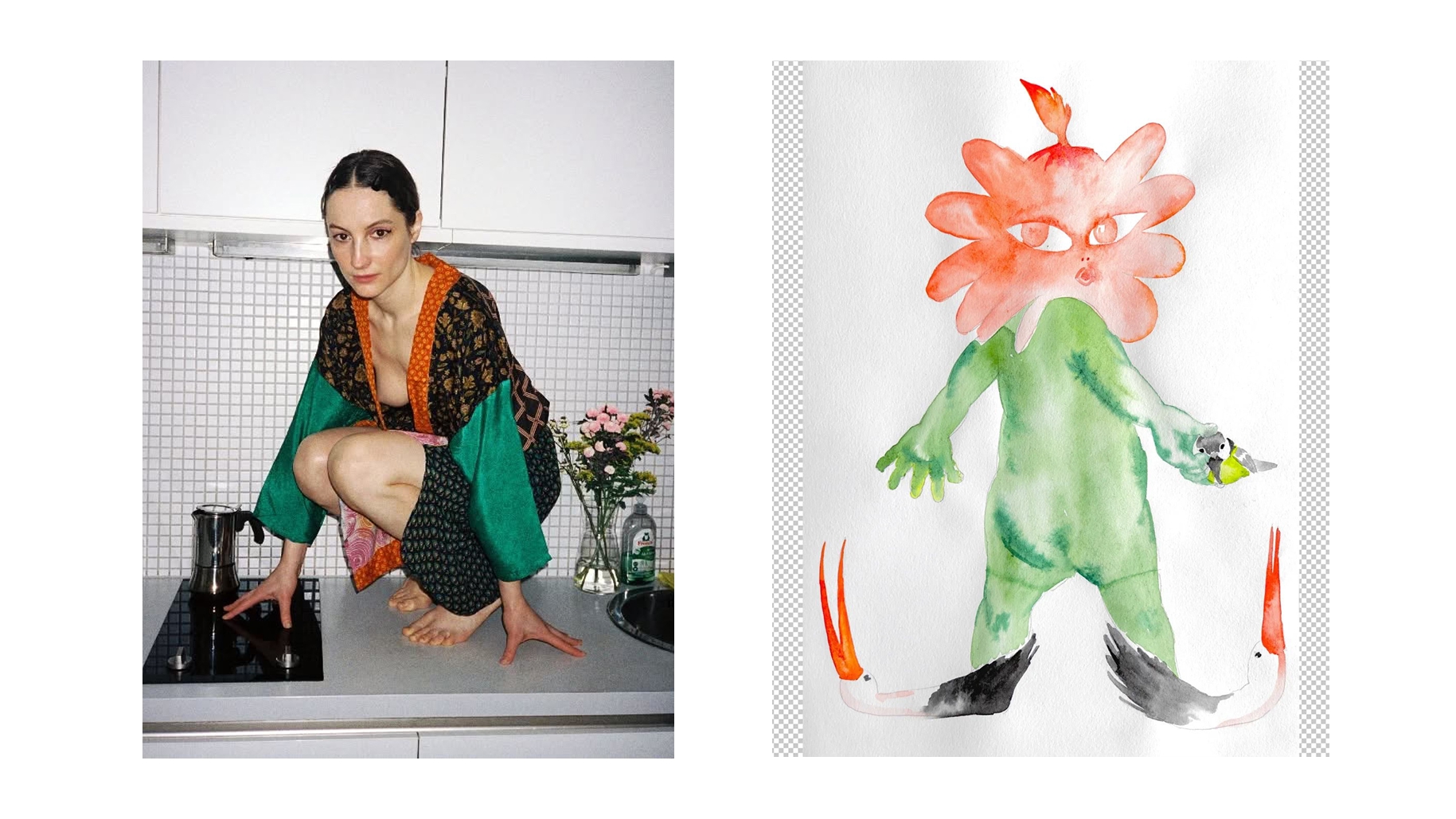
Некаторыя сучасныя беларускія мастачкі, якія працуюць у тым ліку з акварэллю цяпер.
1 — Таццяна Карпачова (партрэт мастачкі аўтарства Ira Olyunina) і яе праца Forest walking. Series Yearning for Paradise / 25*25 cm / 2022 / з сацсетак творцы;
2 — Дзіна Леонава і яе праца Smiling Boy N1 / 2025 / з сацсетак творцы;
3 — Васіліса Паляніна і яе праца A Bird in the Hand is Worth Two in the Bush / 2025 / з сацсетак творцы.
/ здымакі ўзяты з асабістых старонак мастачак, актыўныя спасылкі на кожную вышей.
The ABC of Art is a fully volunteer-based initiative of Chrysalis Mag. During the project, we select a specific artistic style, genre, form, artwork, or phenomenon for each letter of the alphabet and compile information and visuals into a concise entry. All materials are presented with references to their original sources.
If you notice an error or would like to suggest an addition to the published materials, please contact us via our social media channels or by email at chrysalisartmagazine@gmail.com.
Text author: Yuliya Yarashonak
List of sources used in the preparation of this text:
- Падручнік «Асновы акварэльнага жывапісу» Гродненскага дзяржаўнага ўніверсітэта аўтарства А.І. Бурчыка
- Тэкст «GO TO BELARUS 200 ЛЕТ НАЗАД. ИЗУЧАЕМ МАРШРУТЫ НАПОЛЕОНА ОРДЫ» ад 34travel
- Кропкавыя звесткі і візуалы з платформы kalektar
- Візуалы і звесткі пра мастакоў з праекта «Беларусь у асобах і падзеях» Нацыянальнай бібліятэкі Беларусі
- Візуалы і звесткі пра мастакоў з праекта « Документальная летопись Беларуси»
Reproduction of this material or any part thereof is permitted only with the written consent of the editorial team.
The ABC of Art is a fully volunteer-based initiative of Chrysalis Mag. During the project, we select a specific artistic style, genre, form, artwork, or phenomenon for each letter of the alphabet and compile information and visuals into a concise entry. All materials are presented with references to their original sources.
If you notice an error or would like to suggest an addition to the published materials, please contact us via our social media channels or by email at chrysalisartmagazine@gmail.com.
Text author: Yuliya Yarashonak
List of sources used in the preparation of this text:
- Падручнік «Асновы акварэльнага жывапісу» Гродненскага дзяржаўнага ўніверсітэта аўтарства А.І. Бурчыка
- Тэкст «GO TO BELARUS 200 ЛЕТ НАЗАД. ИЗУЧАЕМ МАРШРУТЫ НАПОЛЕОНА ОРДЫ» ад 34travel
- Кропкавыя звесткі і візуалы з платформы kalektar
- Візуалы і звесткі пра мастакоў з праекта «Беларусь у асобах і падзеях» Нацыянальнай бібліятэкі Беларусі
- Візуалы і звесткі пра мастакоў з праекта «Документальная летопись Беларуси»
Reproduction of this material or any part thereof is permitted only with the written consent of the editorial team.
SHARE:
SHARE:
ALSO READ:

FOLLOW US
INSTAGRAM TELEGRAM TIKTOK FACEBOOK YOUTUBE
© 2026 Chrysalis Mag. All Rights Reserved.
Reprinting of materials or fragments of materials
is allowed only with the written permission