
A Long-Awaited Moment: We Finally Have a World-Class Art Publishing House. A Conversation with TAMAKA
Interview, 24.12.2025
A Long-Awaited Moment: We Finally Have a World-Class Art Publishing House. A Conversation with TAMAKA
Interview, 24.12.2025
TAMAKA Publishing officially launched only a few months ago, yet it has already introduced two books by Belarusian women artists — Masha Sviatahor and Maryia Karneyenka — both of which have received international recognition. Most recently, Sviatagor’s publication was included in The British Journal of Photography’s list of the 10 Best New Photography Books of the Season from Around the World. A publishing house like this has long been missing from the Belarusian cultural landscape. But what exactly is TAMAKA preparing for us? What is their focus? Can artists submit their projects for publication? And why is art publishing also a form of cultural diplomacy? We present an in-depth conversation with TAMAKA’s co-founders Alena Pratasevich and Alena Siamionava.
SHARE:
Article content:
- How Did the Publishing House Emerge?
- About the Books that Are Now Available: Art Works by Masha Sviatahor and a Photo Project by Maryia Karneyenka with Texts by Tatsiana Zamirovskaya
- First Feedback at the Katowice Fair and from International Professionals
- Whose Books Can We Expect Next? And Can Artists Create an Art Book with TAMAKA?
How Did the Publishing House Emerge?
CM: How did the publishing house come into being? And why now?
AS: TAMAKA was essentially born out of one unpublished book. Several years ago, we planned to produce just one book by a Belarusian woman artist, but the project did not happen for various reasons. At that time, we were not planning to create a publishing house at all — we were simply dreaming of publishing a single book, because it did not exist. We worked on it for a long time, even took a six-month break, and after that suddenly realized that, in fact, we had run into not a specific book or project, but an entire niche that practically does not exist in Belarus yet — with the exception of academic, institutional publishers that mainly publish classical albums. Most Belarusian art and photo books that exist at all are self-published.
AP: That is, there was no grand decision to create TAMAKA at a single moment. The publishing house emerged very naturally through the personal paths of each team member, a strong interest in creating such books, and a love for art. Although we officially launched only a few months ago, we began full-scale work long before that. We worked on Masha Sviatahor’s book, the publisher’s website, and all internal processes practically every day for a whole year. All of this was done to create a truly high-quality product at a high level. So it simply happened that TAMAKA launched precisely now, when there is a tangible demand for such a publishing house and Belarusian art is increasingly receiving attention outside Belarus.
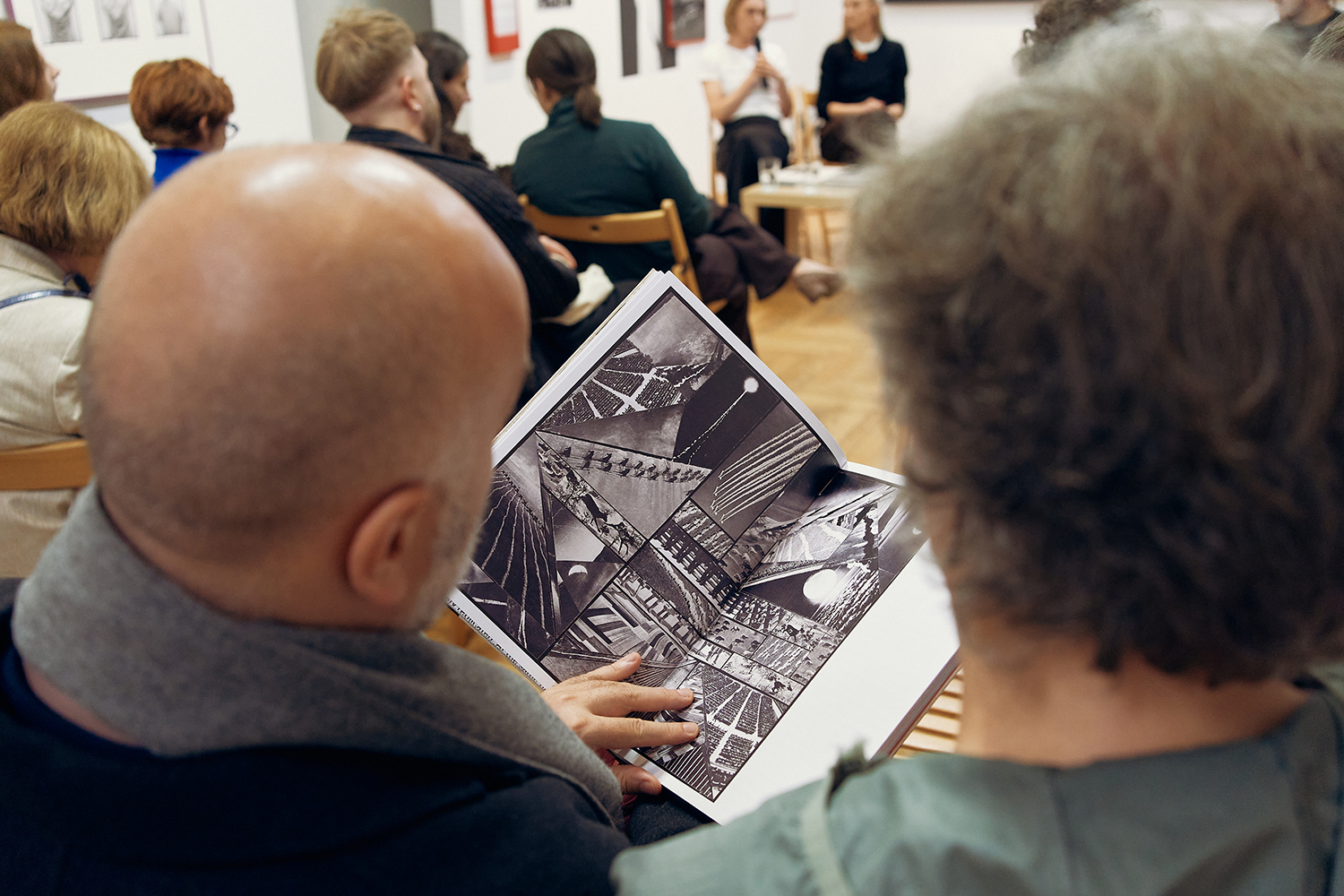
Photo from the presentation of the art book Everybody Dance! by Masha Sviatahorr / Warsaw, 2025 / photo by Kateryna Ignashevich / photo provided by the publishing house.
CM: Who creates each book at TAMAKA?
AS: Each book at TAMAKA is the result of joint work by several equal participants: the artist, the designer, and the publisher. In our case, the entire process team are full co-authors.
AP: And that is why we often say that each book is a separate project. Moreover, different publications involve different teams, which are generally curated by the publisher. Each one has its own “chemistry” and its own processes.
CM: Is there something that unites the teams of each book? And what is important for you during their creation?
AP: When working on each art book, we treat it as an independent artwork and an art object that a person will acquire for their collection. Therefore, from the very beginning everything is important to us: the paper, the printing, how the book opens and how it feels in the hands. All technical details, materials, and assembly nuances are critically important.
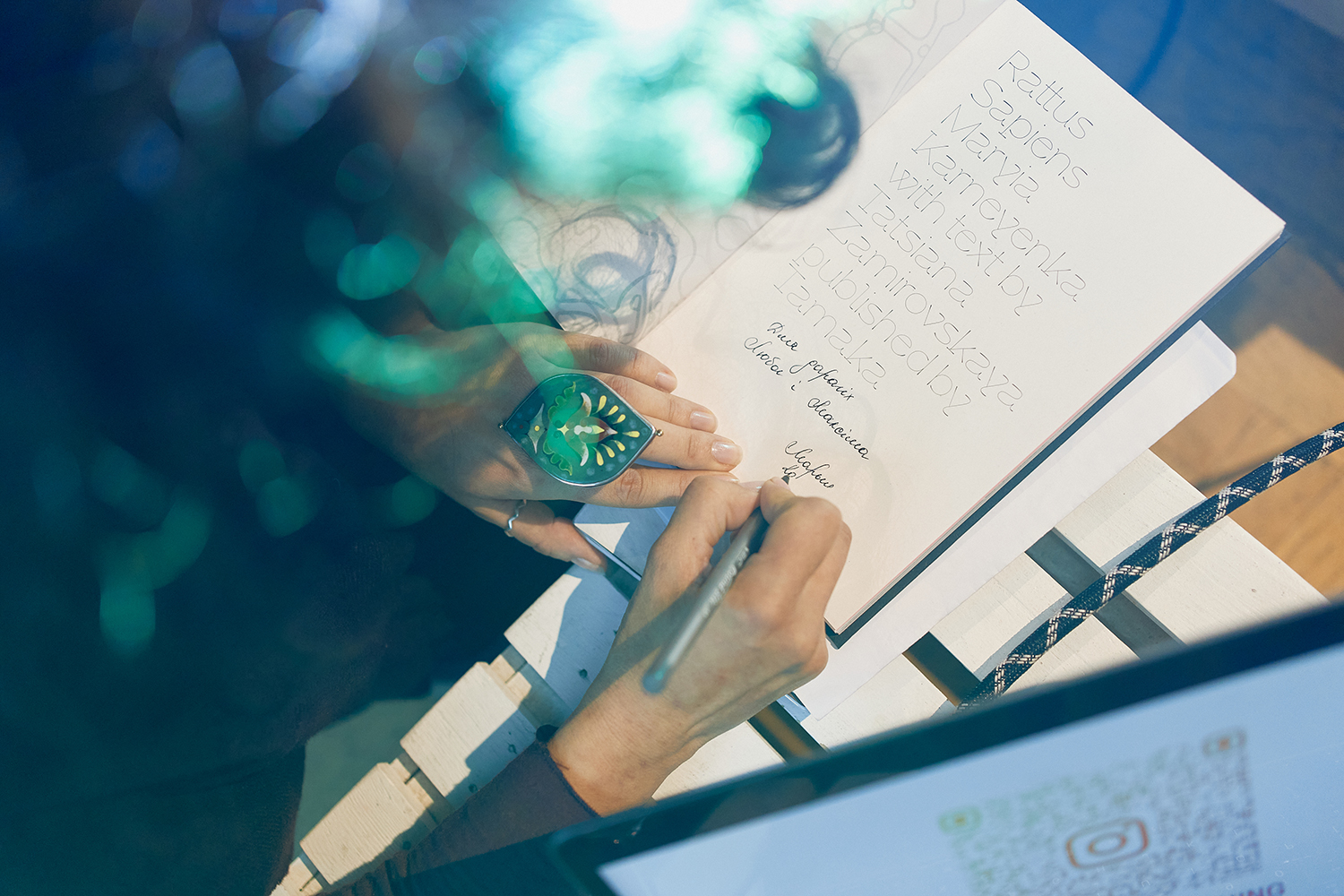
Photo from the presentation of the art book Rattus Sapiens by Maryia Karneyenka with texts by Tatsiana Zamirovskaya / Warsaw, 2025 / photo by Kateryna Ignashevich / photo provided by the publishing house.
About the Books that Are Now Available: Art Works by Masha Sviatahor and a Photo Project by Maryia Karneyenka with Texts by Tatsiana Zamirovskaya
CM: How was Everybody Dance! by Masha Sviatahor created?
AS: Sometimes we joke that its creation was like the birth of a first child, because the entire process took us a little over nine months. As a result, we obtained a unique, limited product. The artist specifically flew from her residency in Paris to the printing house and literally assembled each cover by hand, so every buyer receives their own unique copy of Everybody Dance! — there simply is no second one like it.

Art book Everybody Dance! by Masha Sviatahor / subject photos of the publication by Maryia Karneyenka / photo provided by the publishing house.
CM: Were there any difficulties during its development?
AS: Yes, there were many difficulties, especially technical ones. During the process, we encountered most of the problems that are usually faced in art book production. For example, there were situations when the ink did not dry, and part of the print run had to be reprinted in order to achieve perfect quality. We even had to make some compromises that are invisible to the eye, but that we are aware of within the team.
This experience was particularly intense because it was the first book, and we did not yet understand how exactly everything would unfold. But it was precisely through this process that we stopped being afraid of subsequent books and realized that even through difficulties, a book can find its way into the world.

Art book Everybody Dance! by Masha Sviatahor / subject photos of the publication by Maryia Karneyenka / photo provided by the publishing house.
AP: And indeed it turned out that Everybody Dance! is not just a collection of works by Masha Sviatahor. It is a truly collectible edition, for which Masha created quite a large number of works specifically. The final chapter, Coda, consists entirely of new digital works, and the series Empty Frames is also new — it became the basis for the divider pages.
There is also an interactive part in the book. One of the central works is printed on sticker paper and already divided into stickers. Thus, the reader is invited to destroy the image and create something new. This results in a kind of radical gesture within Masha’s method — the destruction of the original and the creation of one’s own intervention. The viewer is invited to perform a radical act — to deconstruct Masha’s work, acting within her method, which implies the destruction of the original. To engage in this process and possibly create one’s own intervention inside the book, enhancing its uniqueness.
Work from the art book Everybody Dance! by Masha Sviatahor / image provided by the publisher.
CM: What is the second TAMAKA book about, and how was it created?
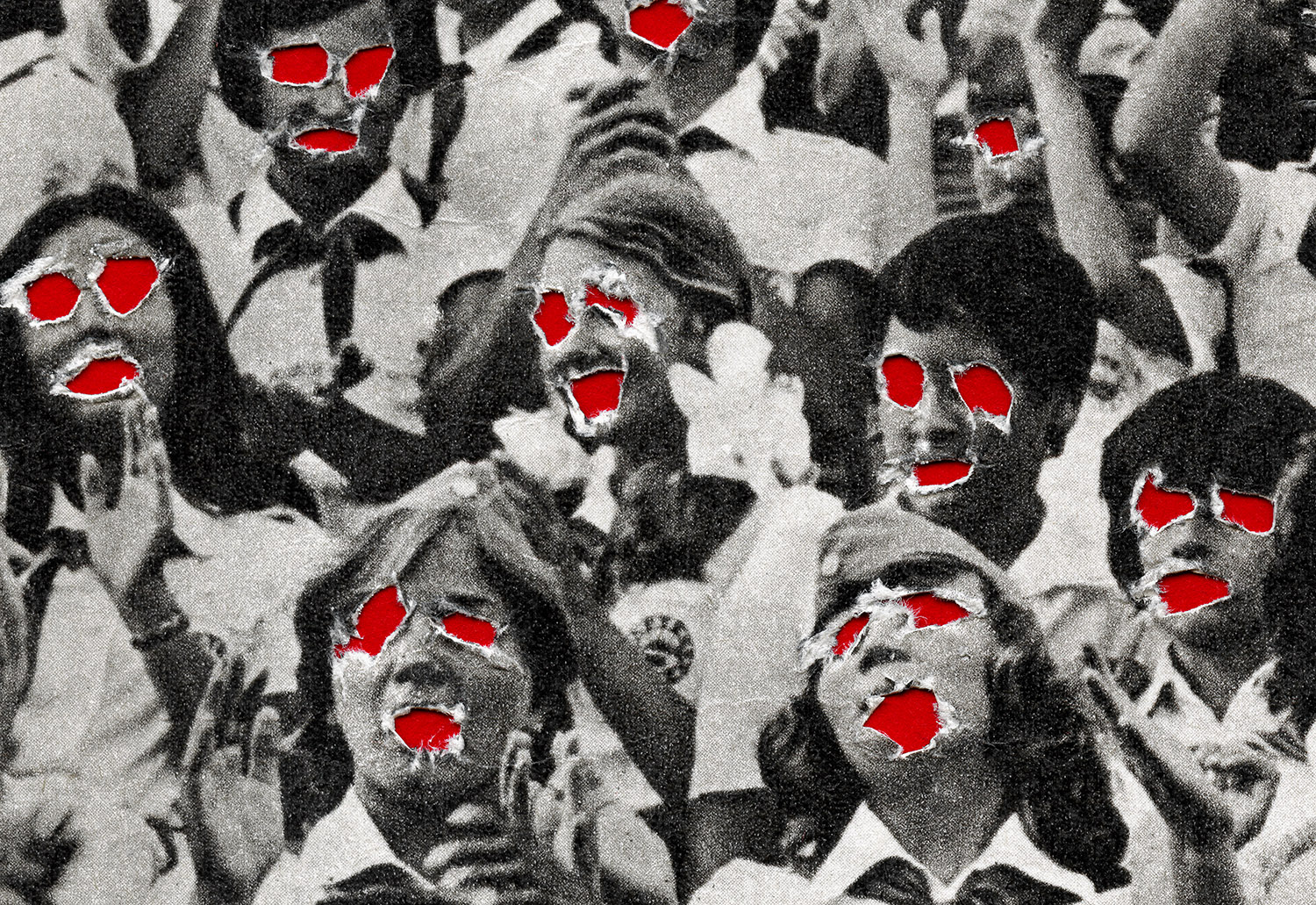
AS: The second book is dedicated to Maryia Karneyenka’s visual project Rattus Sapiens. It emerged from her activism and personal experience of interacting with rats — relationships that go beyond the concept of “ownership,” because they are not defined or limited by possession. For the project, Maryia uses not only photography but also creates collages, still lifes, and gives new meanings through appropriation in order to show what lies behind stigma. In this case, however, the publication was constructed as a two-voice dialogue of visual and textual parts. On the one hand, Maryia’s visual project Rattus Sapiens, and on the other, the textual voice of Tatsiana Zamirovskaya.
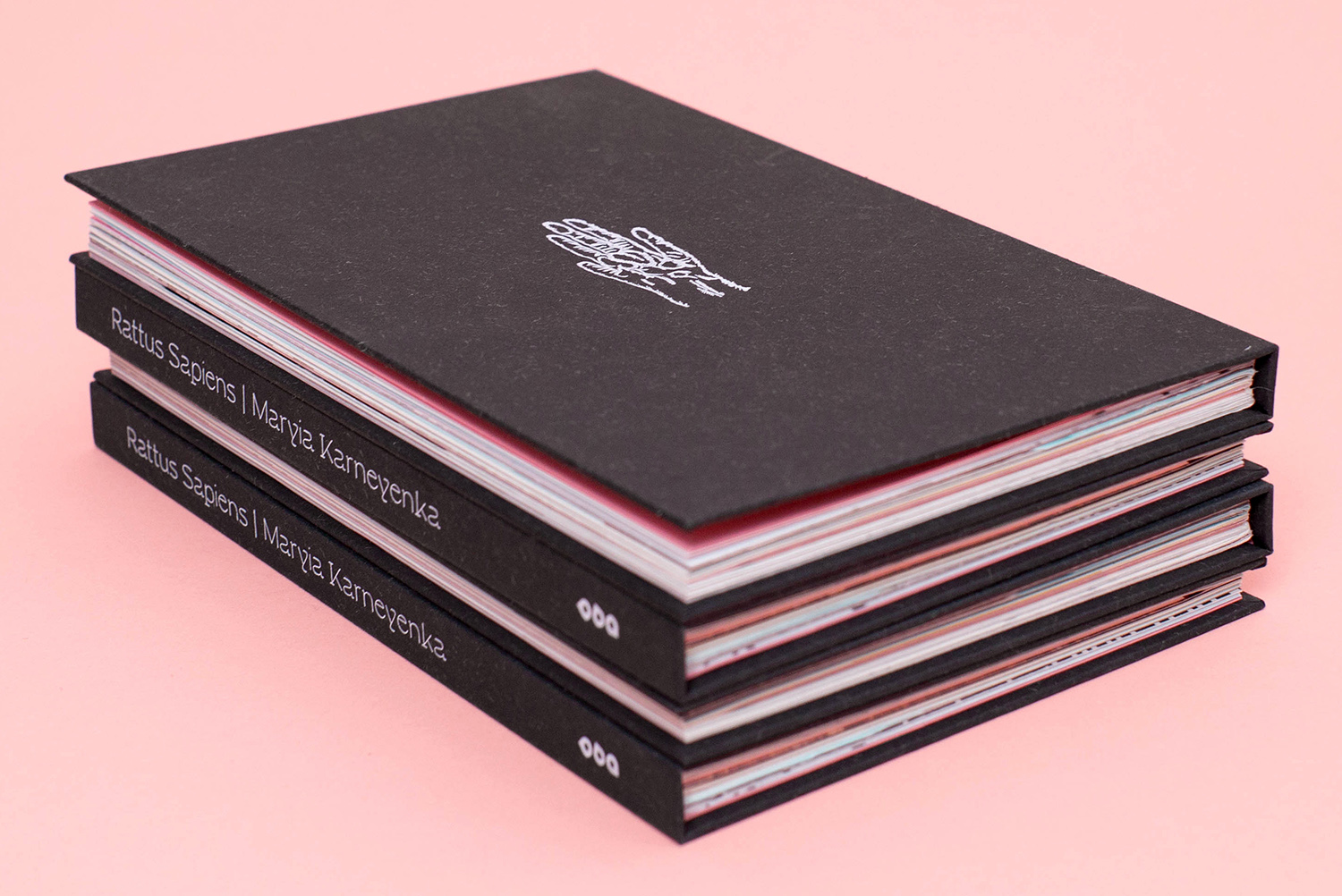
Art book Rattus Sapiens by Maryia Karneyenka / subject photos of the publication by Maryia Karneyenka / photo provided by the publisher.
CM: How did the duo of Maryia Karneyenka’s visual project and Tatsiana Zamirovskaya’s texts come about?
AS: The book was born through dialogue. Tatsiana did not have ready-made texts that were simply “attached” to the project. They emerged in parallel with the work on the visual part of the book, in direct connection with it, through long conversations with Maryia, discussions of the project, and the entire material. That is how the text became a separate and important layer of the book.
AP: And even more than that. During the process, it became clear that this project emotionally affects all participants, not only Maryia and Tatsiana. Even the designer, Ania Nalecka-Milach, while working at the printing house, shared a personal story related to the theme of the project. This emphasized that the duo of the visual project and the text was not artificial — it was formed naturally through collective work and involvement.
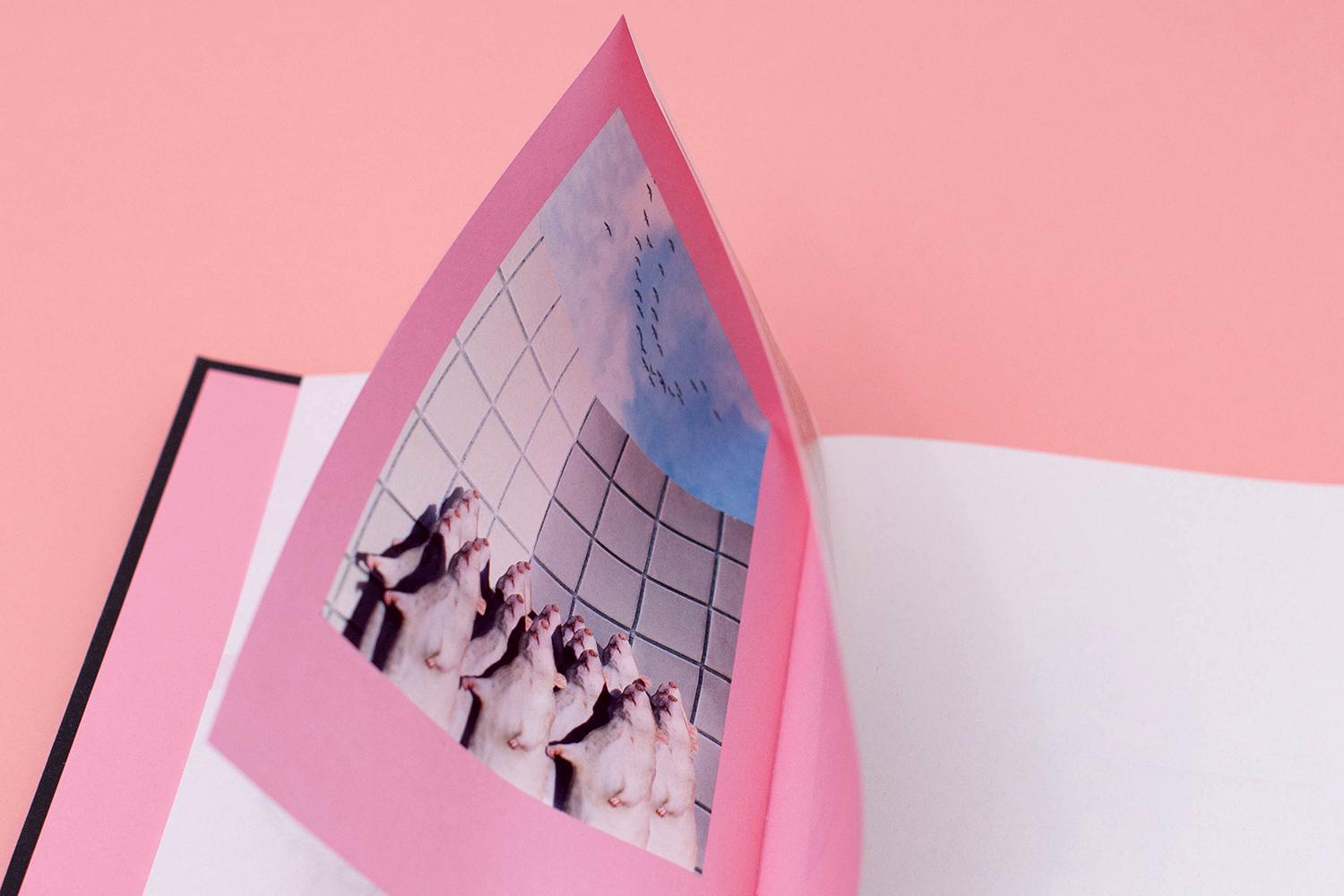
Art book Rattus Sapiens by Maryia Karneyenka / subject photos of the publication by Maryia Karneyenka / photo provided by the publisher.
CM: Can it be said that this book is already more than just an art project?
AS: Yes, it can. The visual project by Maryia remains the foundation, but the book is already something more complex. The book as a medium allows new meanings to emerge and even a different message to appear, which may differ from the original art project. The specificity of this book lies in the fact that all subsequent semantic layers were transferred precisely into the book format. This is no longer just a fixation of an existing project, but a new form of its existence, in which several authorial voices participate — the artist, the author of the text, the designer, and the publisher.
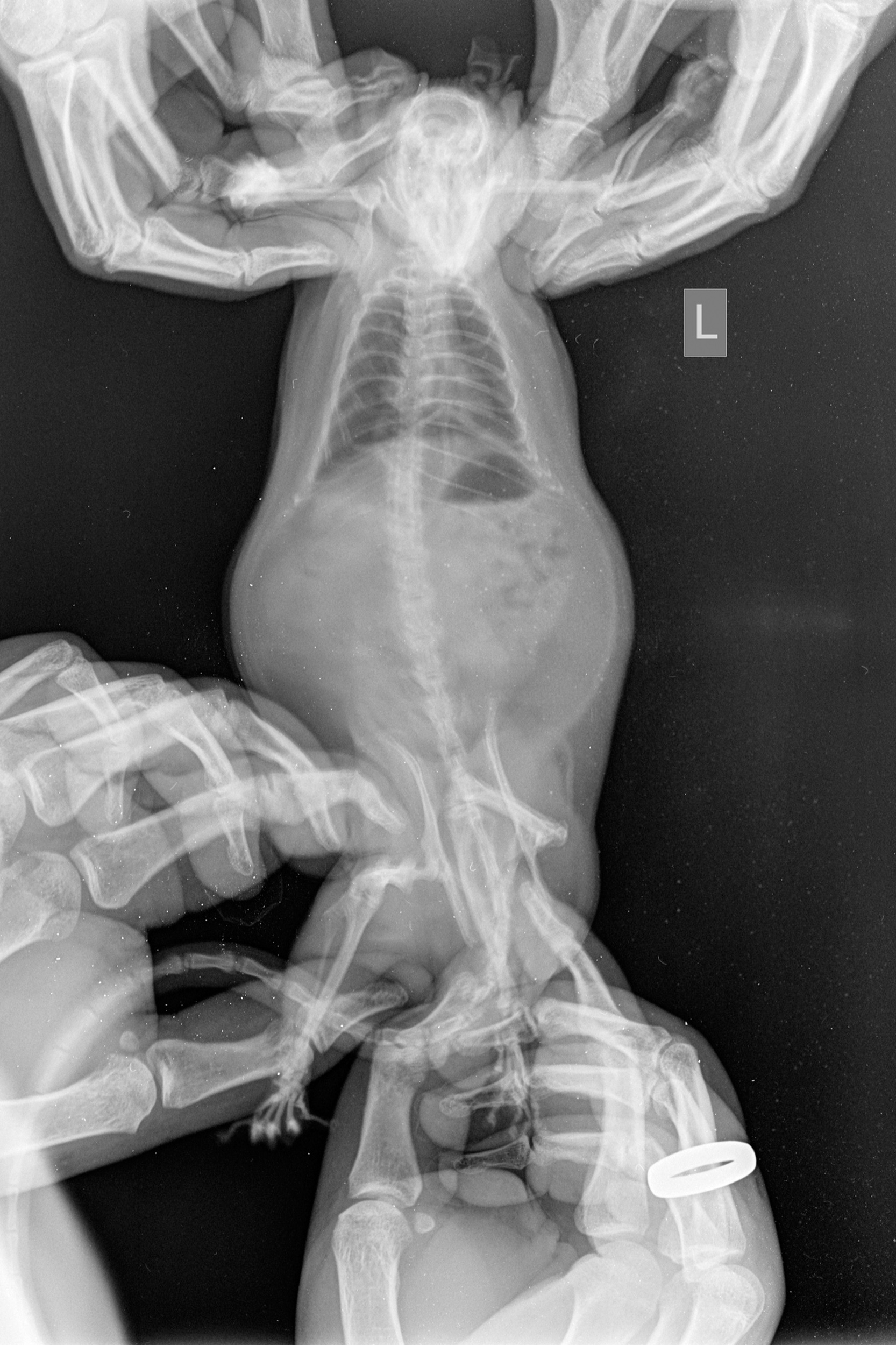
Photo from the Rattus Sapiens project by Maryia Karneyenka / image provided by the publisher.
First Feedback at the Katowice Fair and from International Professionals
СM: You received your first live feedback on your work during the fair in Katowice. What was it like?
AS: It was a very important experience, because a fair is a professional event where both specialists and art book collectors respond. We went to Katowice with Everybody Dance!, and it must be said that we immediately felt quite confident with it. It is a flawless contemporary art book, where materials, design, research text, and print quality come together. As a result, we received a lot of very positive feedback in person.
AP: It was especially important for us to see how people who did not previously know the artist and were not familiar with her work reacted to the book. It turned out that it literally enchants readers. People who saw the book for the first time picked it up, leafed through it, and became immersed in the content with interest. And probably these are the most important responses — the immediate reaction. When a book works on its own, without explanations, and is understandable to any viewer, this is the best validation for us that we are doing important work.
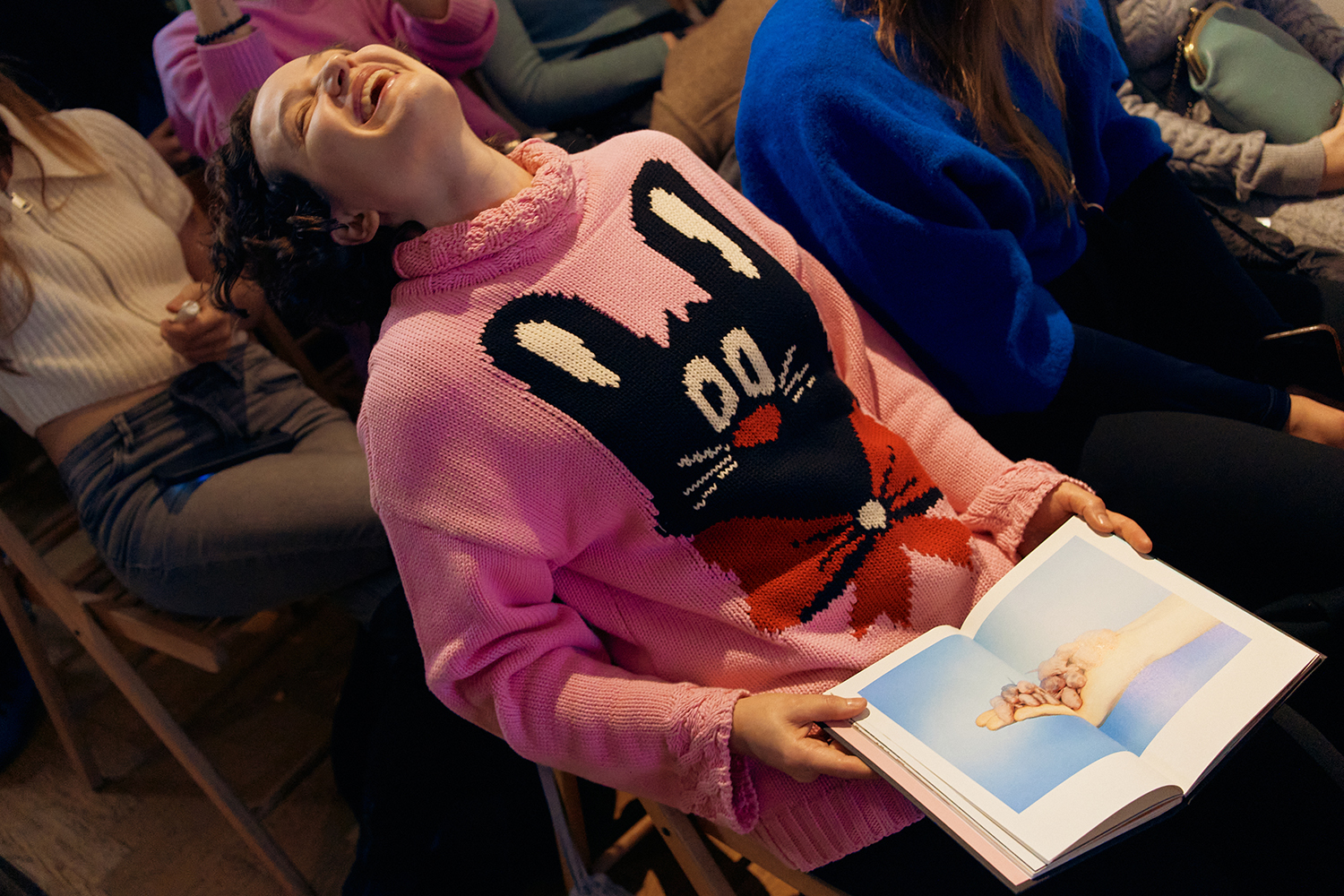
Photo from the presentation of the art book Rattus Sapiens by Maryia Karneyenka with texts by Tatsiana Zamirovskaya / Warsaw, 2025 / photo by Kateryna Ignashevich / photo provided by the publishing house.
СM: And what about feedback from the professional community?
AP: We work with it in a targeted way even after the book is published. For example, part of the print run is deliberately not put up for sale — it is intended for the representation of the artist.
In fact, from this moment on, we begin to work like a gallery: we represent the artist through the book, send the publication to major libraries, institutions, collectors, and professionals in the field of contemporary art and book culture. We also send books for review, because a good professional review is very important in publishing. And now our first major publication has already appeared. The book Everybody Dance! was highlighted by one of the leading photography magazines, The British Journal of Photography, in its list of the top 10 best new book releases of the season.
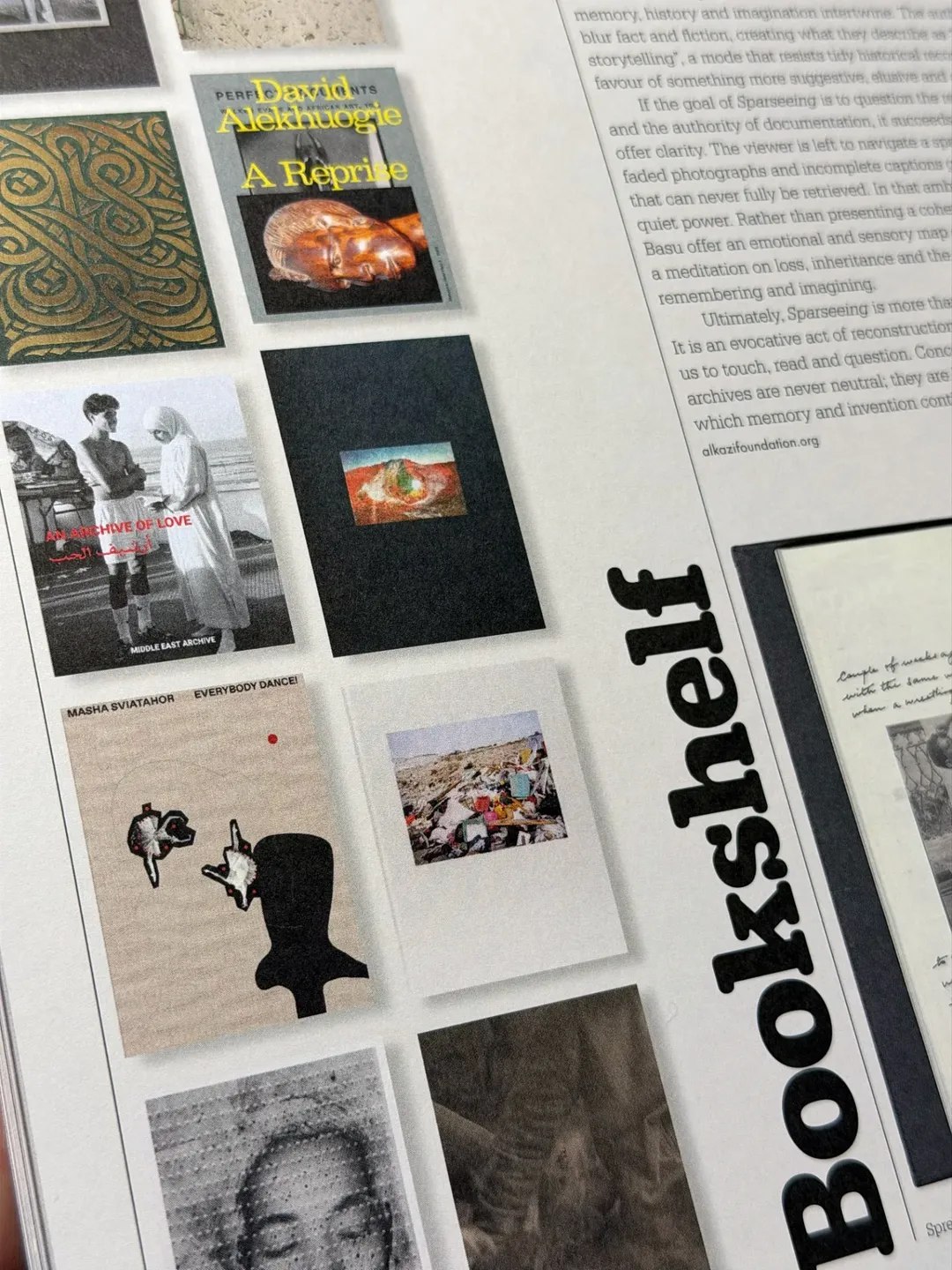
The book Everybody Dance! is on the list of the 10 best new books of this season according to The British Journal of Photography / photo of the magazine is presented by TAMAKA Publishing House.
AS: Other stories related to this book have also already begun to emerge. Recently, we were contacted from the Netherlands with a proposal for Everybody Dance! to participate in the exhibition LOST TERRITORIES: TRACING IMPERIAL VIOLENCE. The exhibition features around 30 books from all over the world united by a postcolonial theme.
The curator discovered Masha Sviatahor’s book independently and decided that it fit this exhibition perfectly. We ourselves did not make any effort to get into the exhibition — everything happened absolutely naturally. A funny detail is that at that moment the curator could not purchase the book because we did not yet have shipping to the Netherlands. So this is a story about how we urgently organized delivery to the Netherlands — and everything worked out.
For us, this is yet another confirmation that work with a book does not end at the moment of its publication. A book is one of the most powerful tools for representing an artist, and when it falls into the hands of a professional, it begins to work further on its own. Therefore, we understand our role not only as publishers, but also as cultural ambassadors. Our task is the preservation, popularization, and representation of contemporary Belarusian visual art. And a true victory is when, after our work, artists are invited to exhibitions and residencies, and their works are acquired by collections and funds. This is the sign that the book has begun to live in the world.
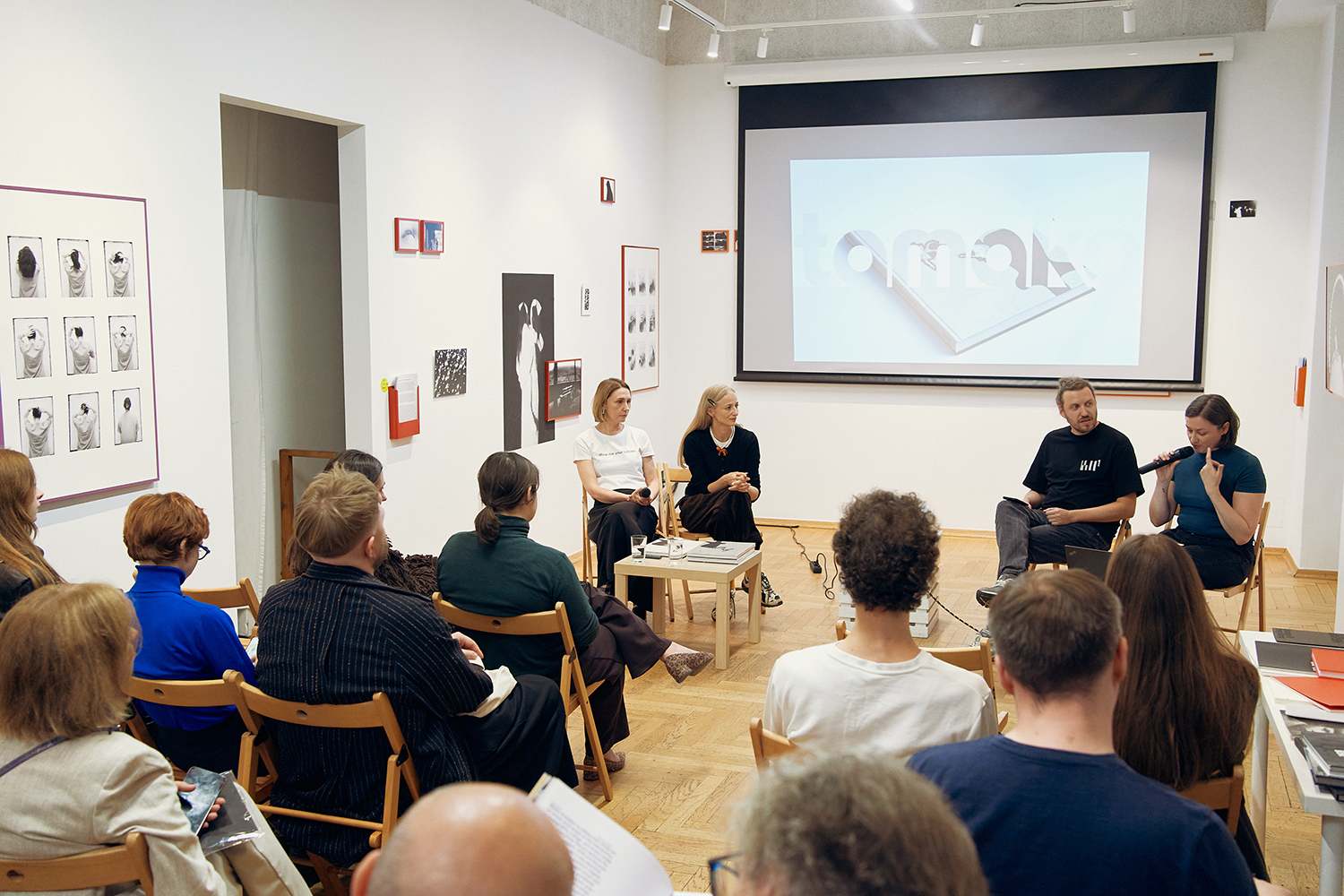
Photo from the presentation of the art book Everybody Dance! by Masha Sviatahorr / Warsaw, 2025 / photo by Kateryna Ignashevich / photo provided by the publishing house.
Whose Books Can We Expect Next? And Can Artists Create an Art Book with TAMAKA?
СM: Who can we expect next in your publishing house?
AS: At the moment, TAMAKA has a plan for three books ahead. The next one is planned to be a book by Mila Kotka (belarusian bio-artist, art manager, founder of the street art festival Vulica Brasil, which used to take place in Minsk and brought together Belarusian and foreign artists, editor's note). We already have signed contracts with two artists, and the preparation process is at different stages. We are not yet ready to disclose all the names, but we can say that some of them may become real discoveries.
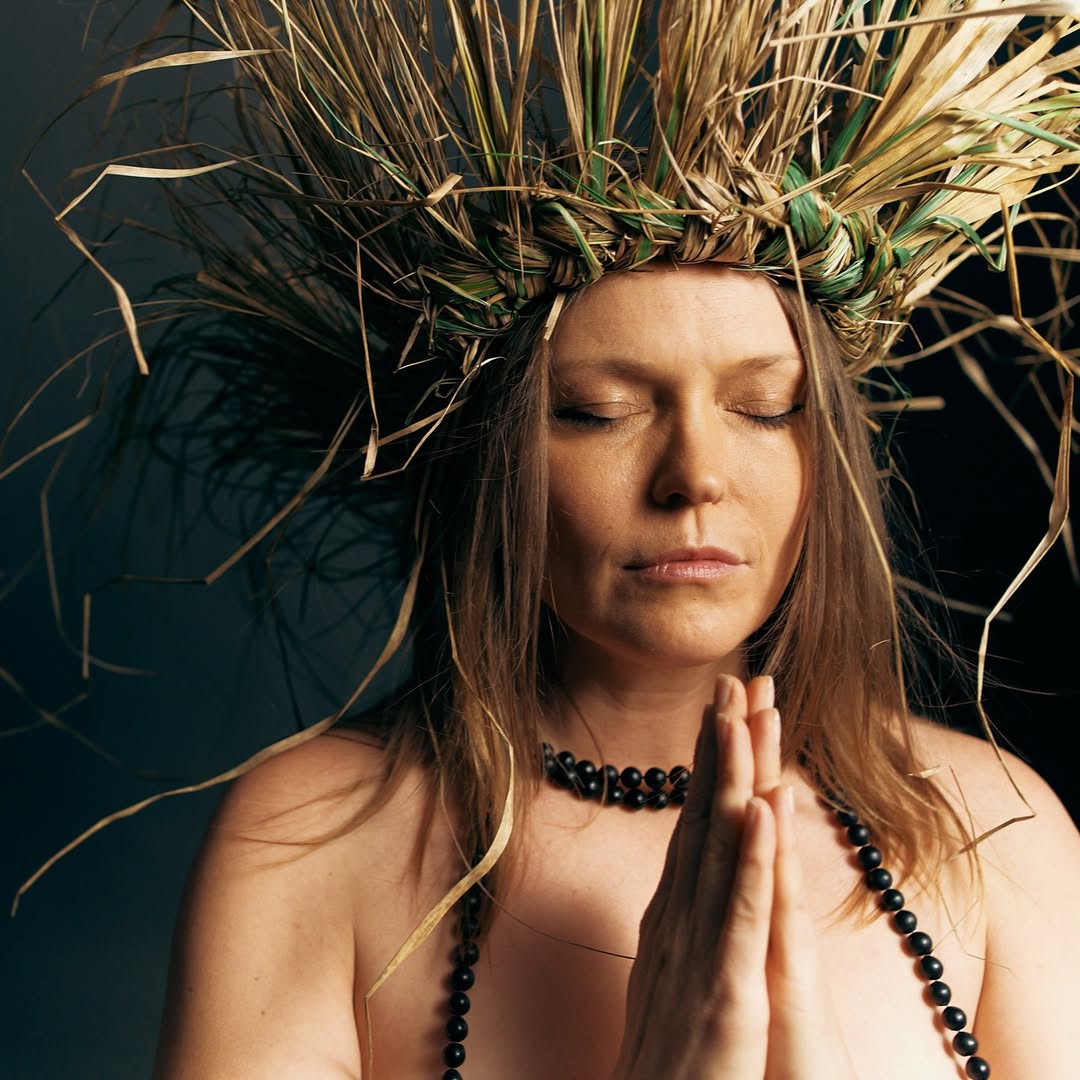
Belarusian artist Mila Kotka / photo by Kateryna Ignashevich / image from the artist's personal Instagram.
СM: Can an artist approach you to create a book together with TAMAKA?
AS: Unfortunately, not at the moment. We receive many collaboration requests, but we realistically assess our capacity. It is impossible to handle more than six projects at the same time, so we cannot promise anything to authors.
AP: The team is currently working on projects that have already been launched, but next year we plan to hold an Open Call. It seems to us that this is a good way to see the full picture of Belarusian art and to go beyond our own circles and intuitions. We hope this will help shape the publishing plan for the next year, and that during the selection process we will conduct real curatorial work — assessing the structure, artistic language, and the integrity of the author’s statement.
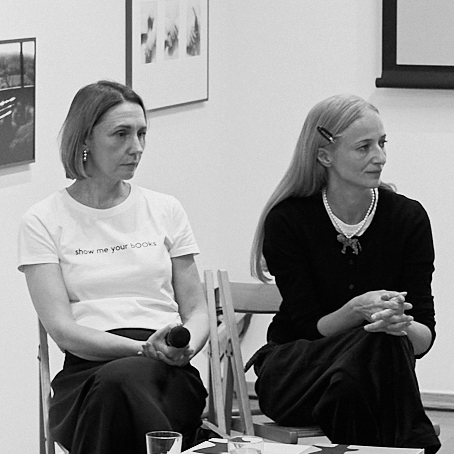
Alena Pratasevich (pictured on the right) is the art director and co-founder of the TAMAKA publishing house.
For the past fifteen years she has worked in the field of art and photography as a curator, lecturer, and visual artist.
Alena Siamionava (in the photo on the left) is the editor-in-chief and co-founder of the TAMAKA publishing house.
For fifteen years, she worked in marketing and PR. She managed a digital agency and worked as a creative writer for several UN agencies. She has also worked in art journalism, writing articles for the magazine Maстацтва and texts for art exhibitions.
Author: Palina Yurgenson
Also Read
FOLLOW US
INSTAGRAM TELEGRAM TIKTOK FACEBOOK YOUTUBE
© 2026 Chrysalis Mag. All Rights Reserved.
Reprinting of materials or fragments of materials
is allowed only with the written permission