
Lesia Pcholka’s photobook Descent into the Marsh shortlisted for the Henri Cartier-Bresson Foundation Prize
Lesia Pcholka’s photobook Descent into the Marsh shortlisted for the Henri Cartier-Bresson Foundation Prize
News | 07.01.2026
Belarusian books continue to receive significant international recognition. This time, Descent into the Marsh, a publication by Belarusian artist Lesia Pcholka, has been shortlisted for a prize awarded by the prestigious Henri Cartier-Bresson Foundation. We explain what this nomination means and why it matters.
Belarusian books continue to receive significant international recognition. This time, Descent into the Marsh, a publication by Belarusian artist Lesia Pcholka, has been shortlisted for a prize awarded by the prestigious Henri Cartier-Bresson Foundation. We explain what this nomination means and why it matters.
SHARE:
SHARE:
The Paris-based Henri Cartier-Bresson Foundation is one of the most influential institutions in the world of photography. Its prize is not a commercial award, but a form of institutional recognition for author-driven projects. The nomination supports independent photo books in which the author takes full responsibility for the statement, form, and personal voice. Henri Cartier-Bresson himself had a profound influence on the history of the photobook: his seminal publication The Decisive Moment established the photobook as a fully-fledged artistic medium rather than an illustrated documentary format.
The Paris-based Henri Cartier-Bresson Foundation is one of the most influential institutions in the world of photography. Its prize is not a commercial award, but a form of institutional recognition for author-driven projects. The nomination supports independent photo books in which the author takes full responsibility for the statement, form, and personal voice. Henri Cartier-Bresson himself had a profound influence on the history of the photobook: his seminal publication The Decisive Moment established the photobook as a fully-fledged artistic medium rather than an illustrated documentary format.
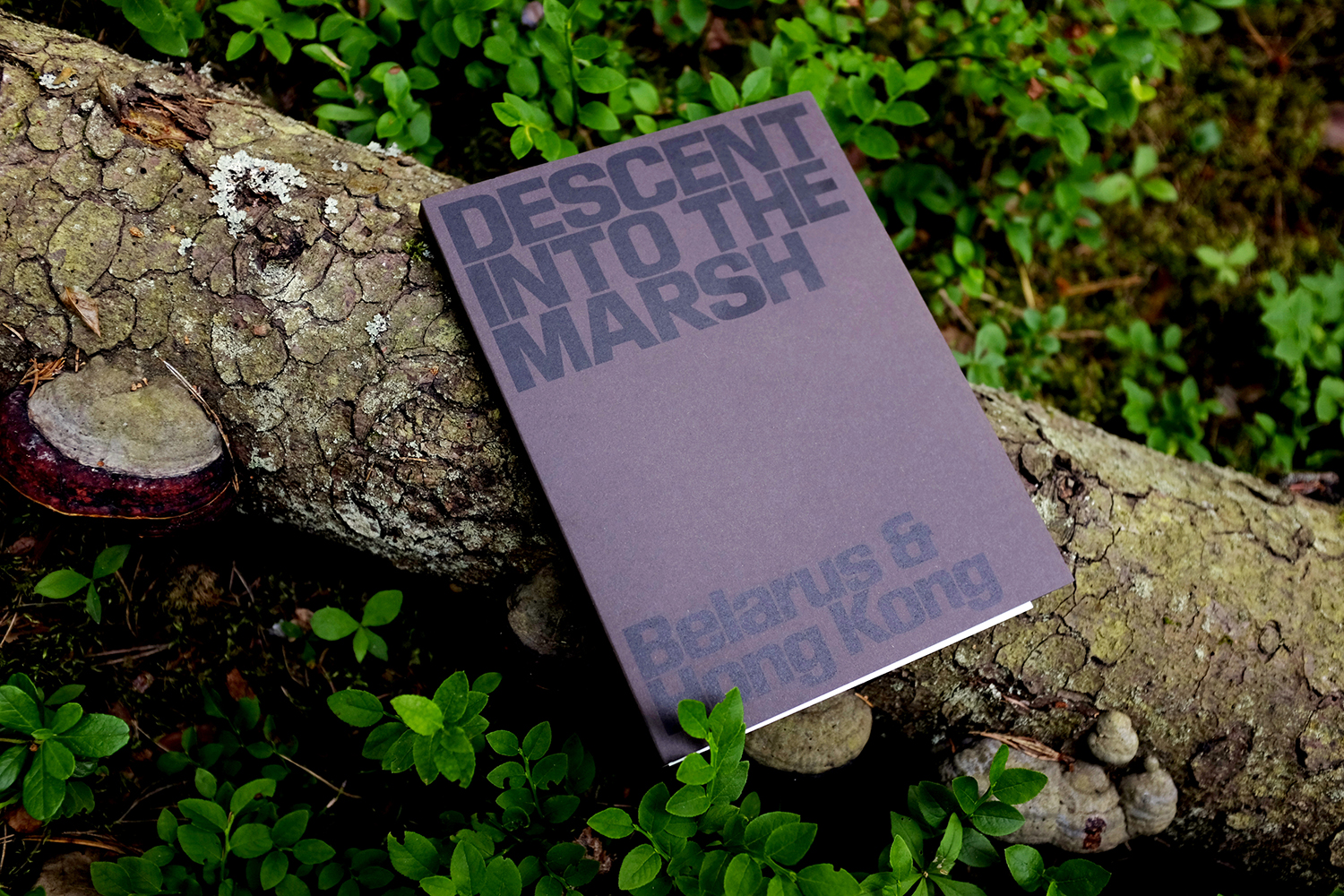
Image of Lesia Pcholka’s book Descent into the Marsh / photo courtesy of the artist’s website.
Descent into the Marsh compares tactics of resistance in Hong Kong and Belarus, presenting them as examples of contemporary horizontal revolutions. The project explores themes of collective memory, resistance, and the unfinished nature of historical processes.
As the author notes, the book exists as an open archive. “It includes stickers with media articles, and I continue to collect new ones — this is my way of speaking about something that has not ended. For me, this nomination is a sign of recognition and proof that the history of Belarusian protests will remain within the international context of contemporary documentary photography,” says Lesia Pcholka.
On January 17–18, Descent into the Marsh will be presented among 35 of the best photobooks from around the world at a special exhibition as part of the Henri Cartier-Bresson Foundation’s programme.
Descent into the Marsh compares tactics of resistance in Hong Kong and Belarus, presenting them as examples of contemporary horizontal revolutions. The project explores themes of collective memory, resistance, and the unfinished nature of historical processes.
As the author notes, the book exists as an open archive. “It includes stickers with media articles, and I continue to collect new ones — this is my way of speaking about something that has not ended. For me, this nomination is a sign of recognition and proof that the history of Belarusian protests will remain within the international context of contemporary documentary photography,” says Lesia Pcholka.
On January 17–18, Descent into the Marsh will be presented among 35 of the best photobooks from around the world at a special exhibition as part of the Henri Cartier-Bresson Foundation’s programme.
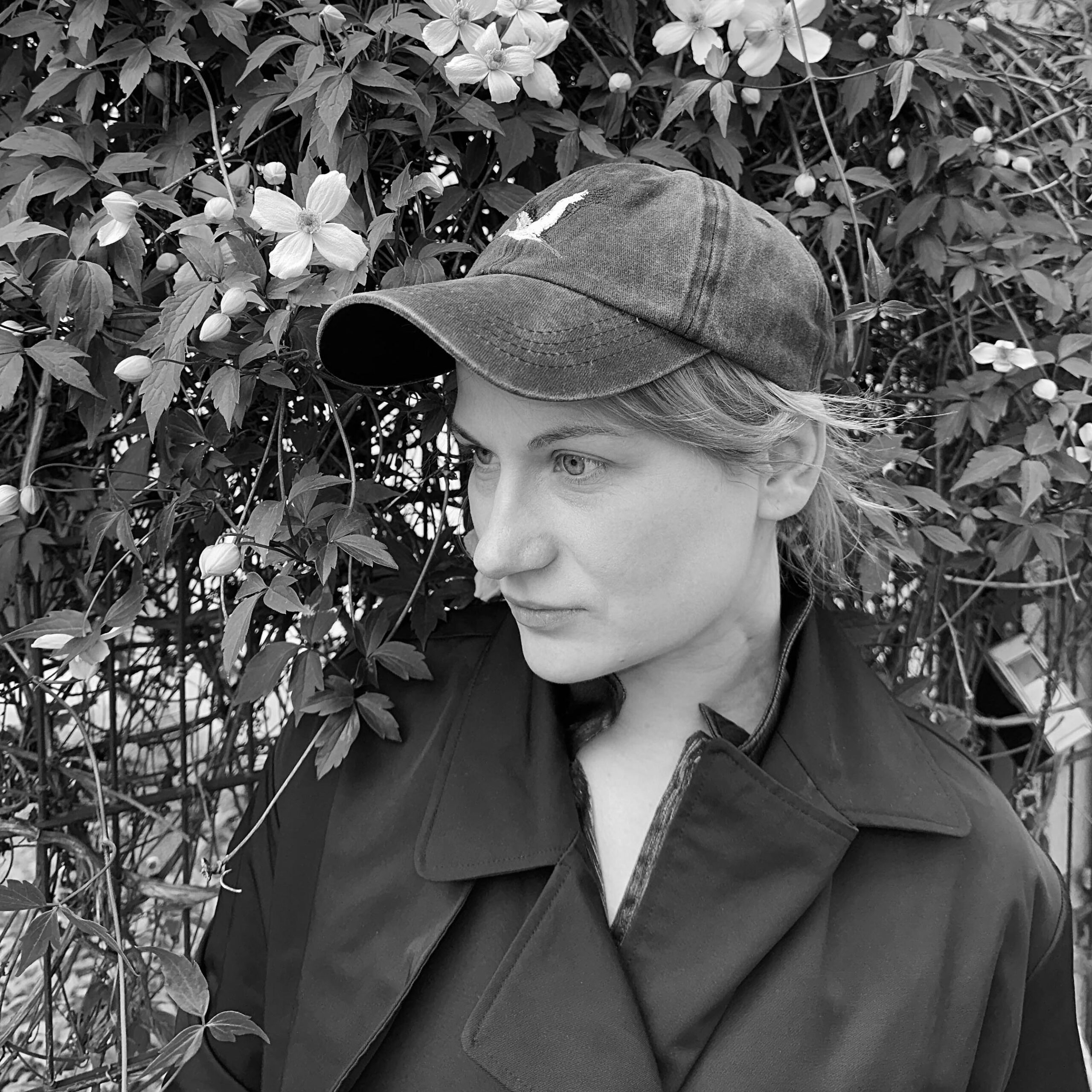
Lesia Pcholka is a visual artist born in Belarus, currently lives and works in Berlin/DE and Bielsk Podlaski/PL.
Pcholka’s practice brings together archival methods, collective memoriesy, and historical continuities to show explore how the past shapes contemporary life in Belarus and beyond. Through photography, video, and installation, she explores the tension between official narratives and undocumented histories, focusing on voices often silenced. Her work situates Belarus within a broader comparative frame, tracing parallels with other authoritarian contexts while also probing spaces of resistance. Exile sharpens her attention to displacement, belonging, and fragile memory, while gender perspectives inform her sensitivity to embodied experience and power. By mobilizing community archives and approaches in experimental storytelling, Pcholka creates layered narratives that move between personal and political, private and collective — reimagining how histories can be remembered and resisted.
Reprinting of the material or excerpts from the material is permitted only with the written consent of the editorial team.
If you notice an error or would like to suggest an addition to the published materials, please let us know.
Lesia Pcholka is a visual artist born in Belarus, currently lives and works in Berlin/DE and Bielsk Podlaski/PL.
Pcholka’s practice brings together archival methods, collective memoriesy, and historical continuities to show explore how the past shapes contemporary life in Belarus and beyond. Through photography, video, and installation, she explores the tension between official narratives and undocumented histories, focusing on voices often silenced. Her work situates Belarus within a broader comparative frame, tracing parallels with other authoritarian contexts while also probing spaces of resistance. Exile sharpens her attention to displacement, belonging, and fragile memory, while gender perspectives inform her sensitivity to embodied experience and power. By mobilizing community archives and approaches in experimental storytelling, Pcholka creates layered narratives that move between personal and political, private and collective — reimagining how histories can be remembered and resisted.
Reprinting of the material or excerpts from the material is permitted only with the written consent of the editorial team.
If you notice an error or would like to suggest an addition to the published materials, please let us know.
SHARE:
Also Read

FOLLOW US
INSTAGRAM TELEGRAM TIKTOK FACEBOOK YOUTUBE
© Chrysalis Mag, 2018-2026
Reprinting of materials or fragments of materials
is allowed only with the written permission